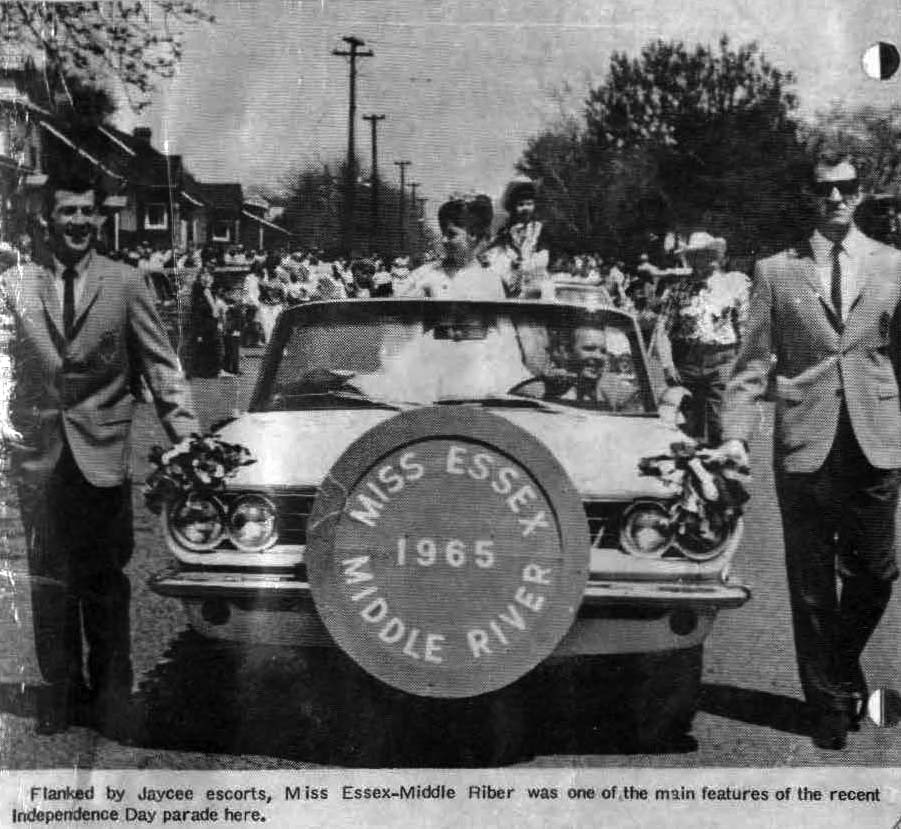
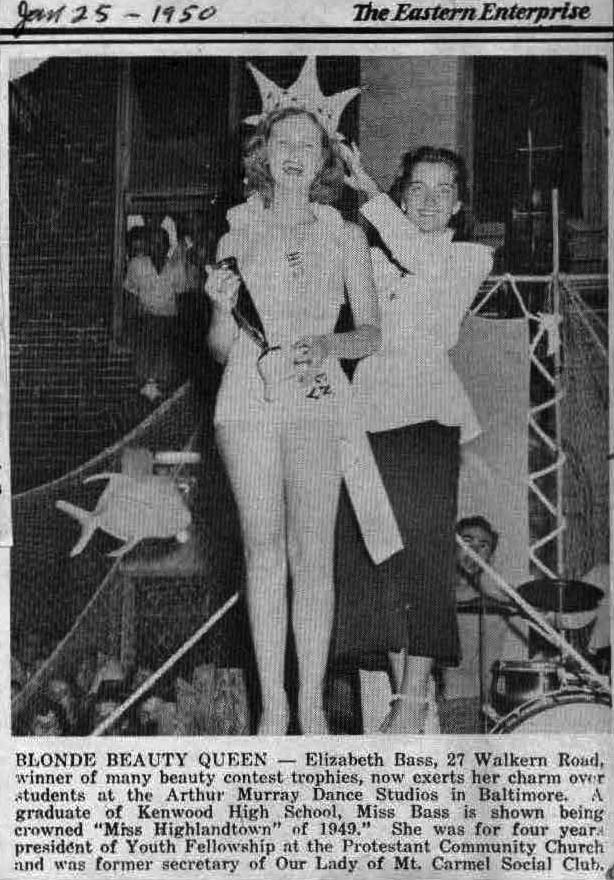
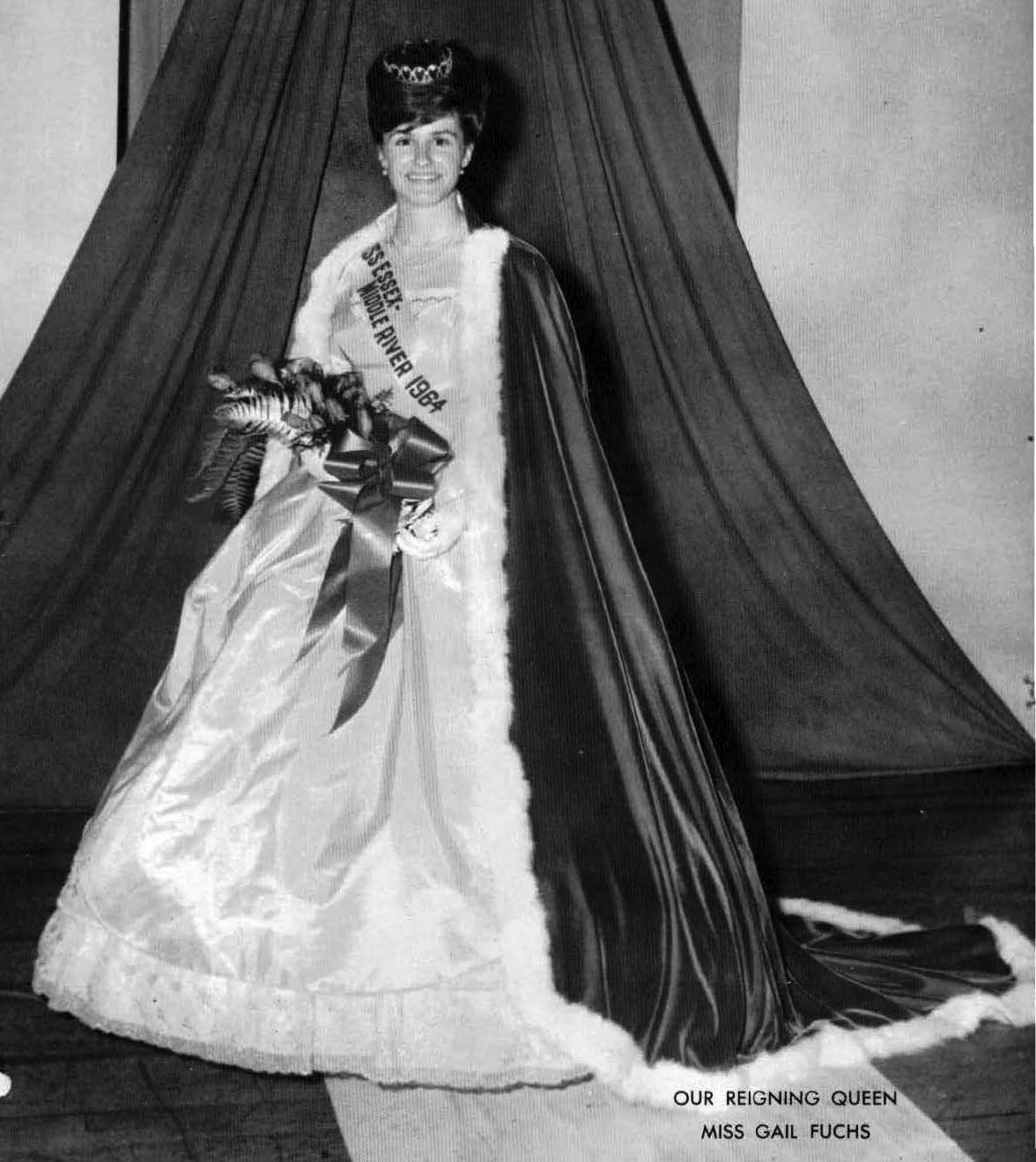
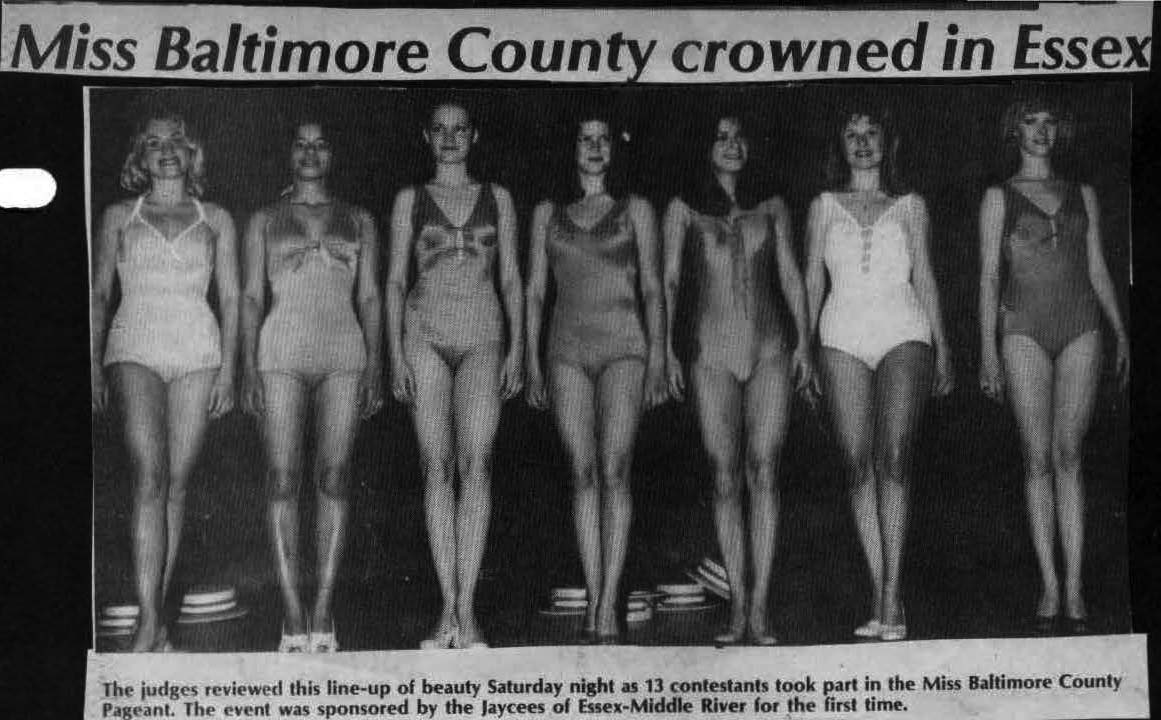
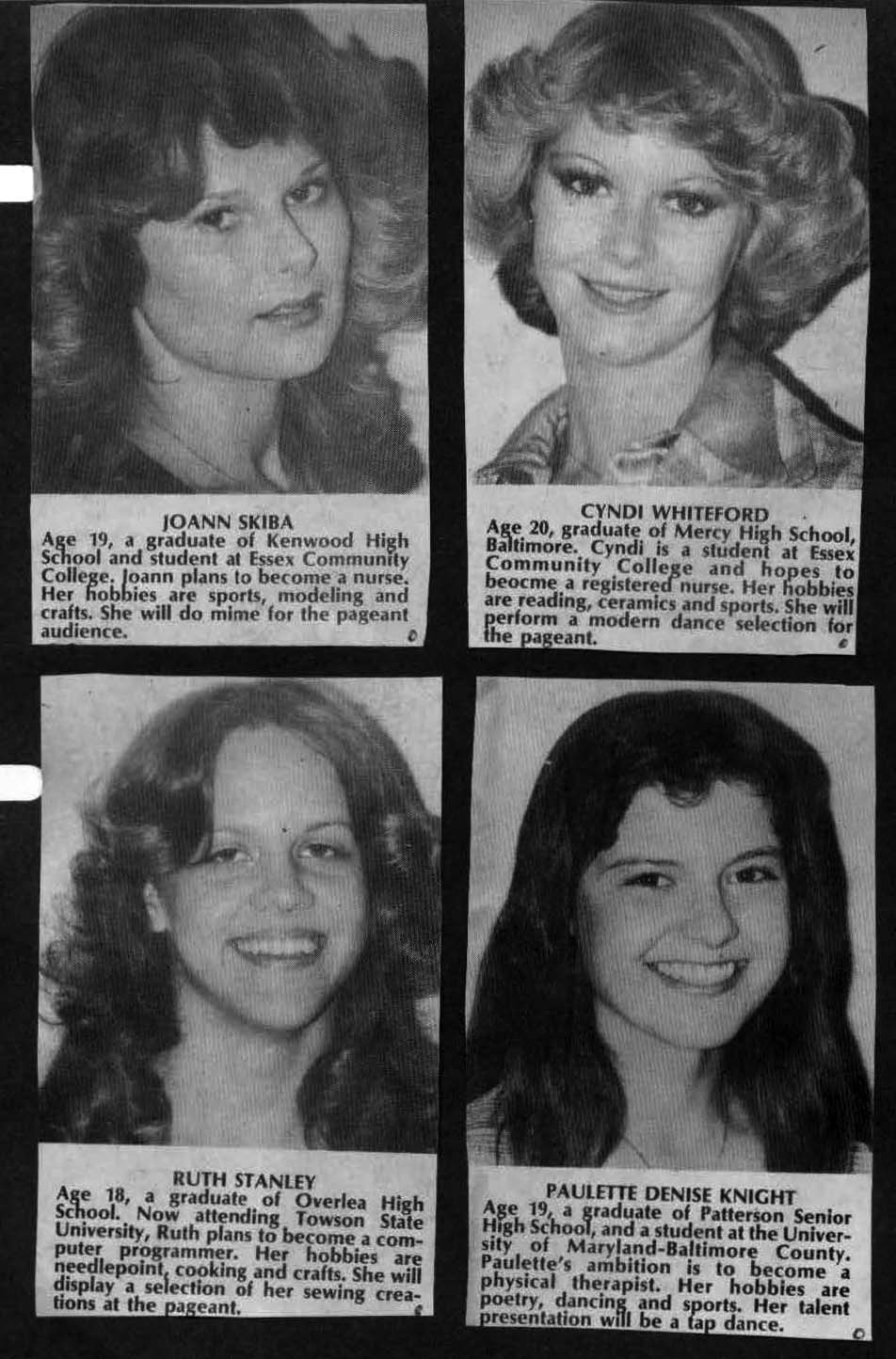
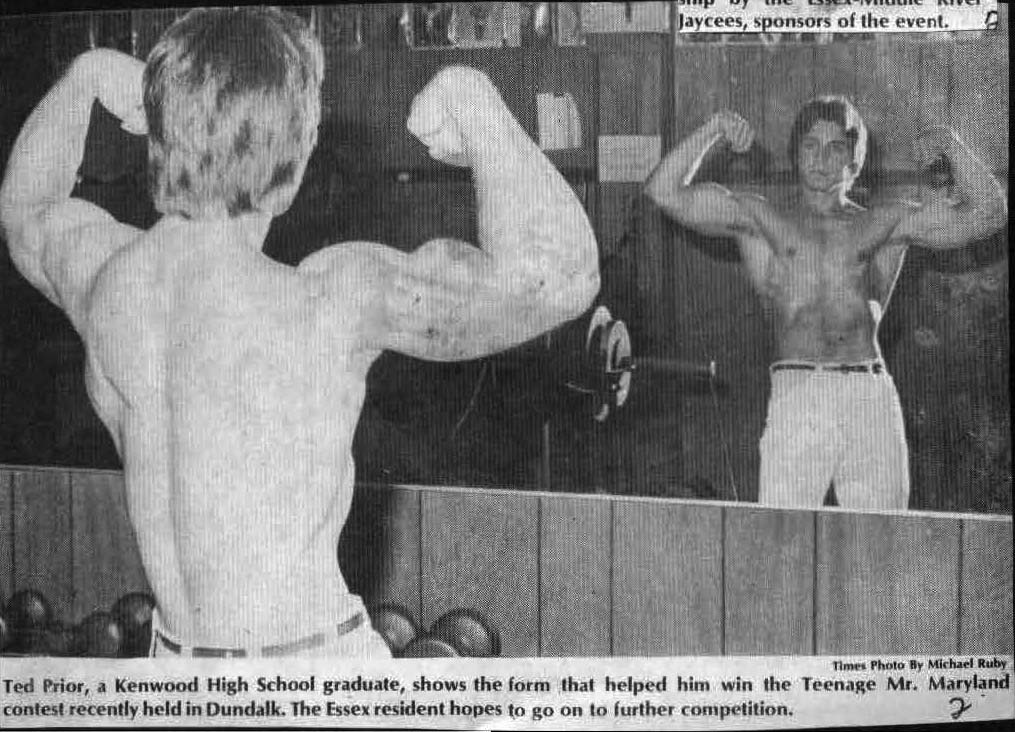
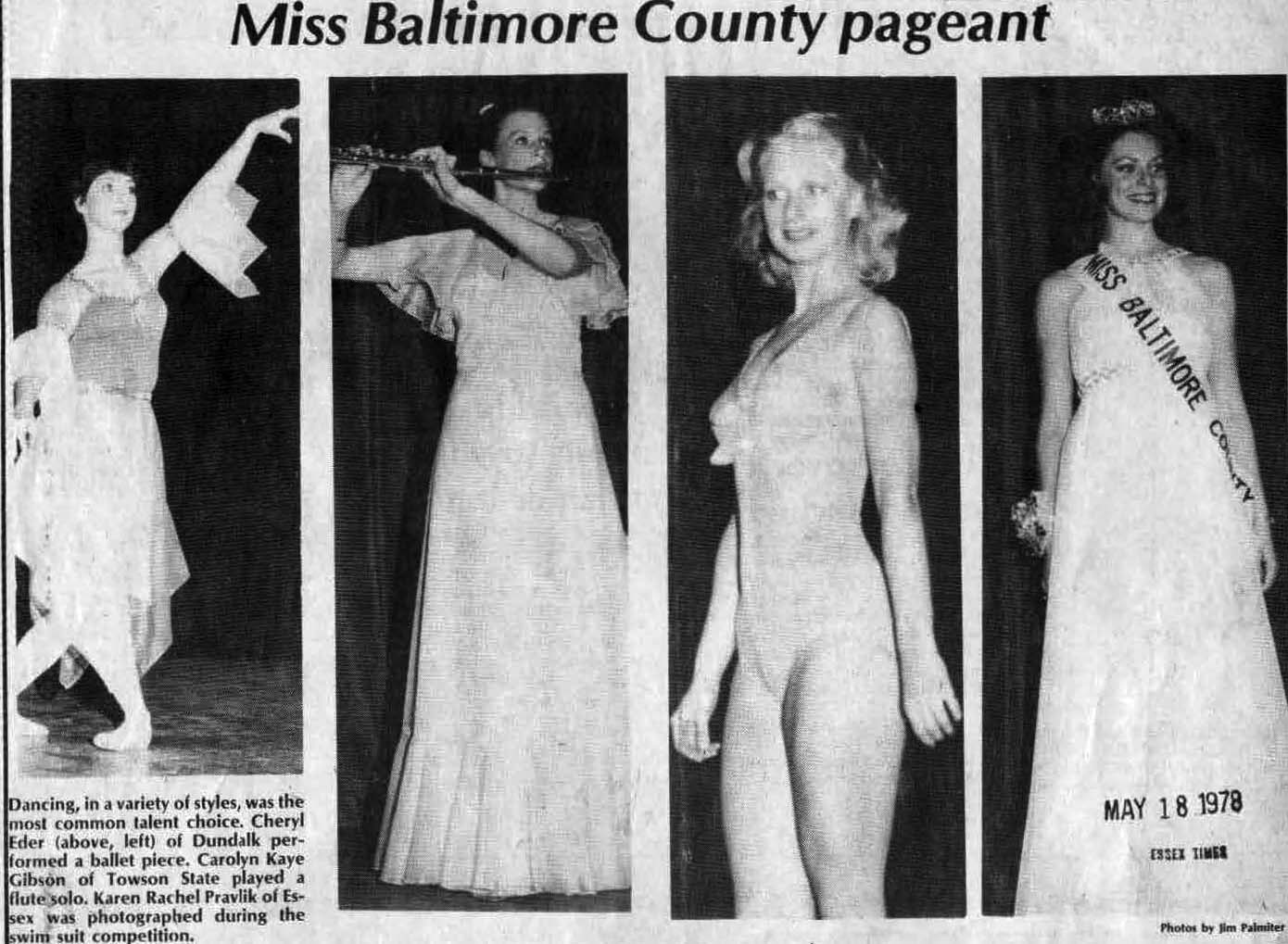
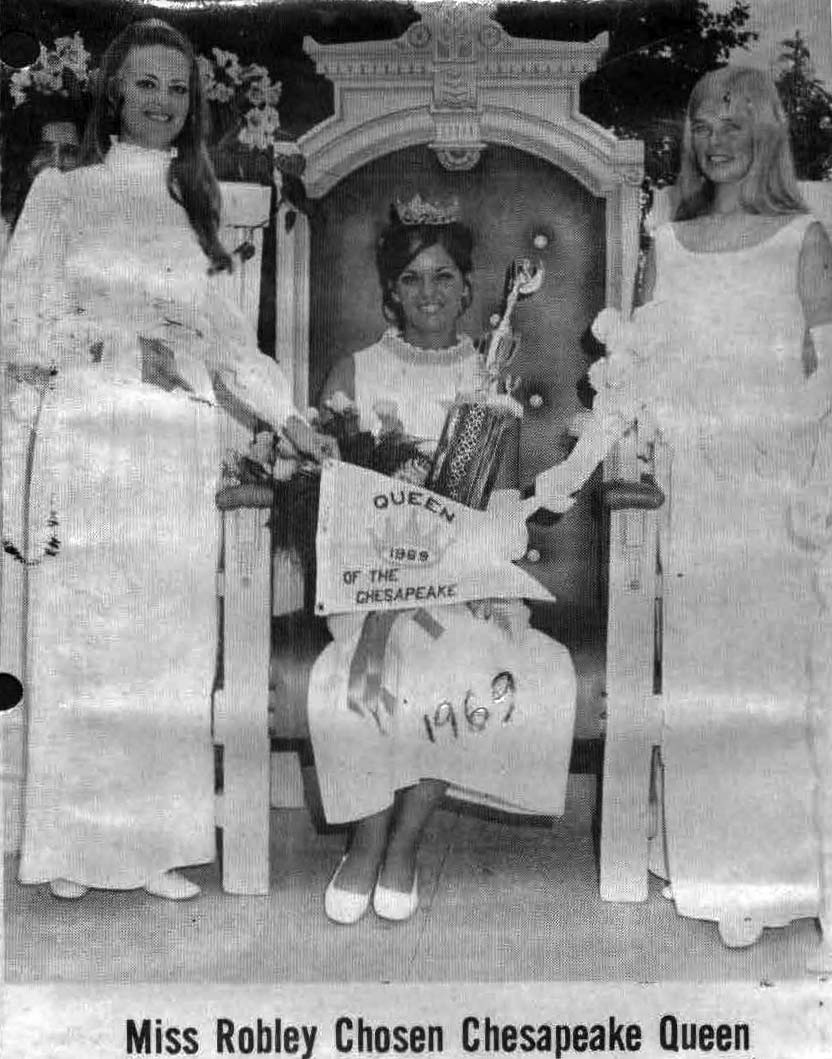
Baumgartner Collection Book #8: Essex Middle River Beauty Pageants
Download PDF
Read PDF online at archive.org
Download PDF
Read PDF online at archive.org

Download PDF
Read PDF online at archive.org
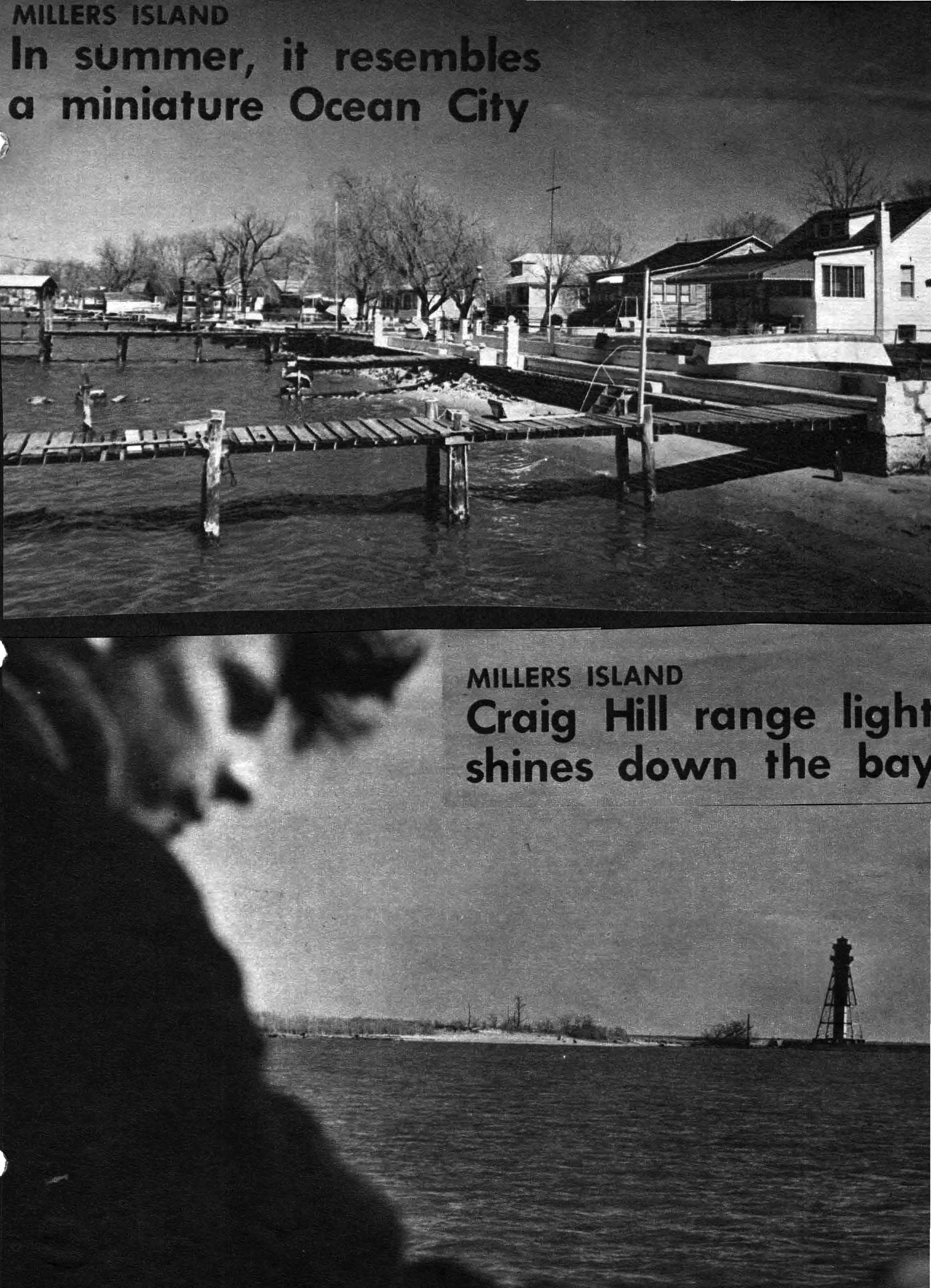
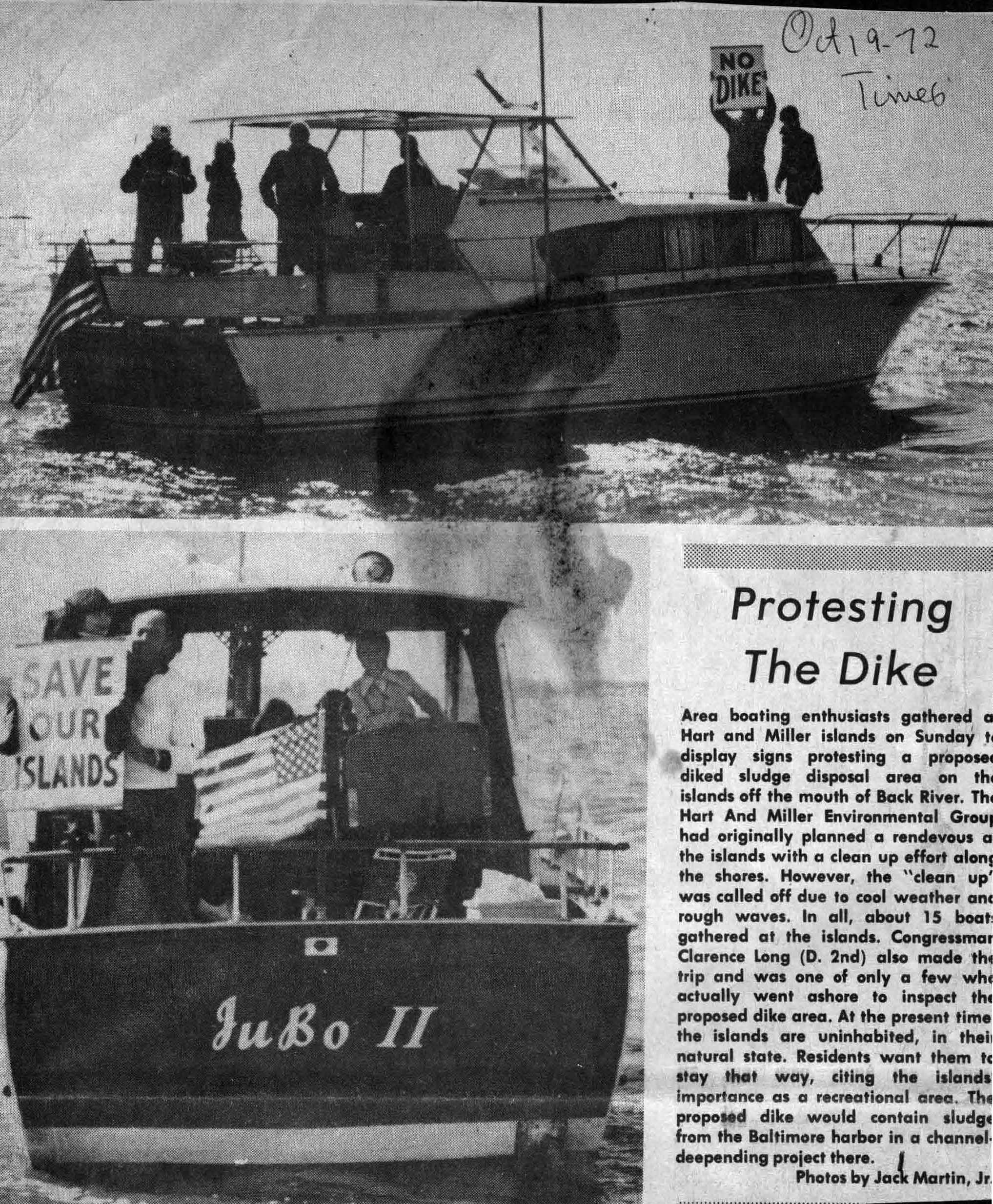
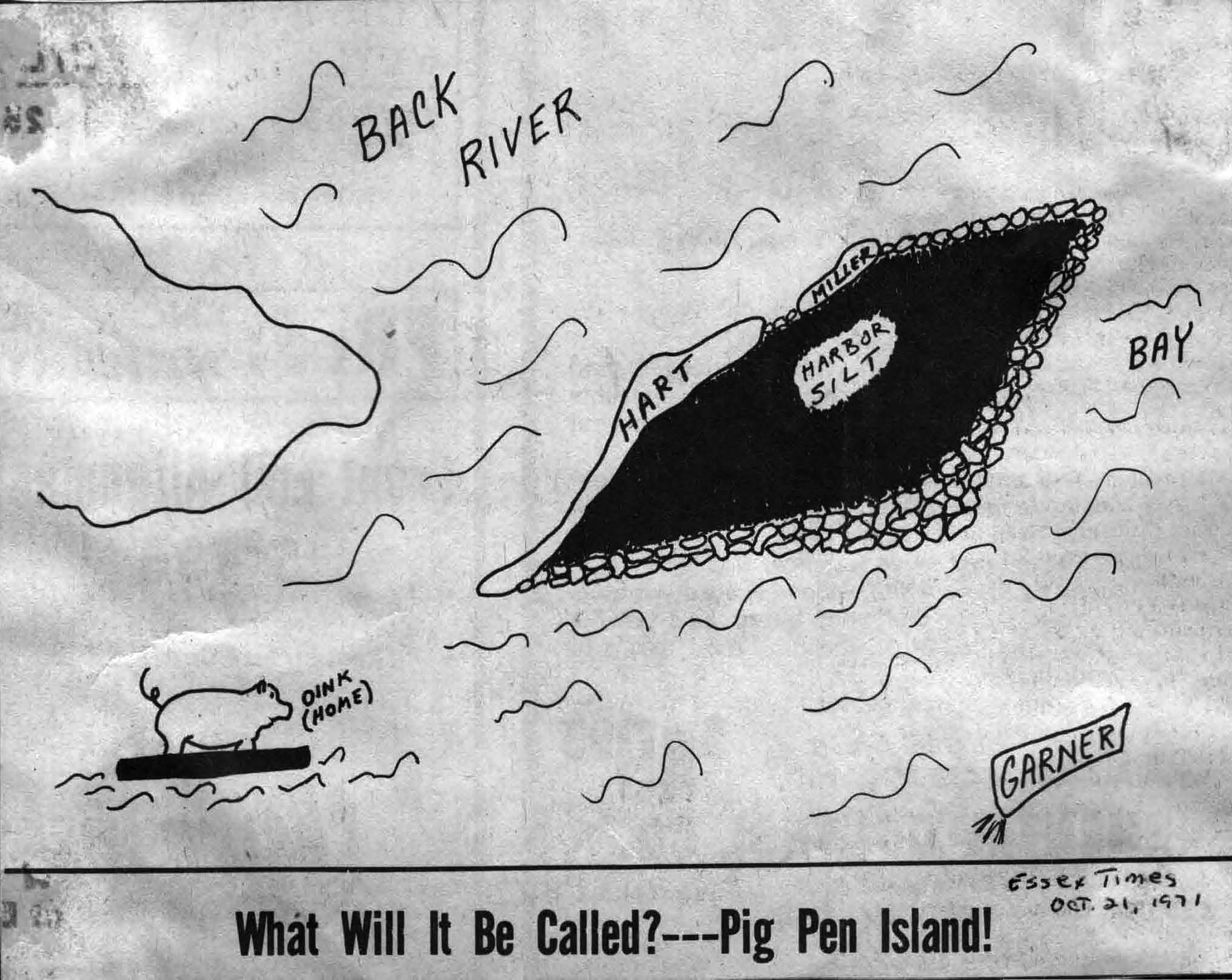
Hart Miller Island is located at the mouths of Back River and Middle River, where they empty into the Chesapeake Bay east of the City of Baltimore in Maryland. It was formerly two separate islands, Hart Island and Miller Island, but it is now almost entirely artificial. In 1981, the area began being filled with dredged material by the U.S. Army Corps of Engineers, for the purpose of habitat restoration, and the project is scheduled for completion in 2012.[1] It is now in use as Hart-Miller Island State Park, accessible only by boat. (Source: Wikipedia.org)

Download PDF
View on archive.org
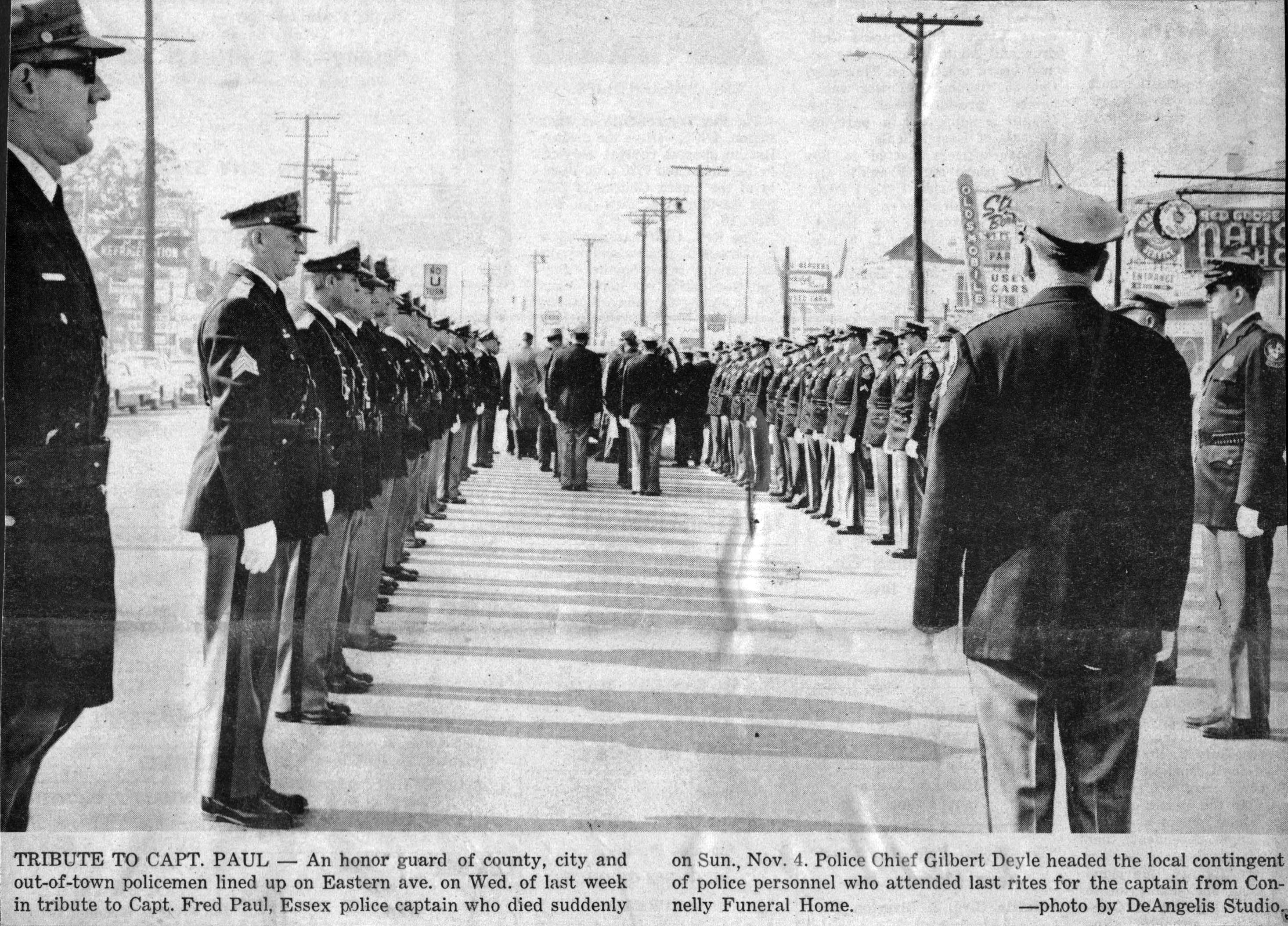 Nov. 14, 1962, Eastern Beacon
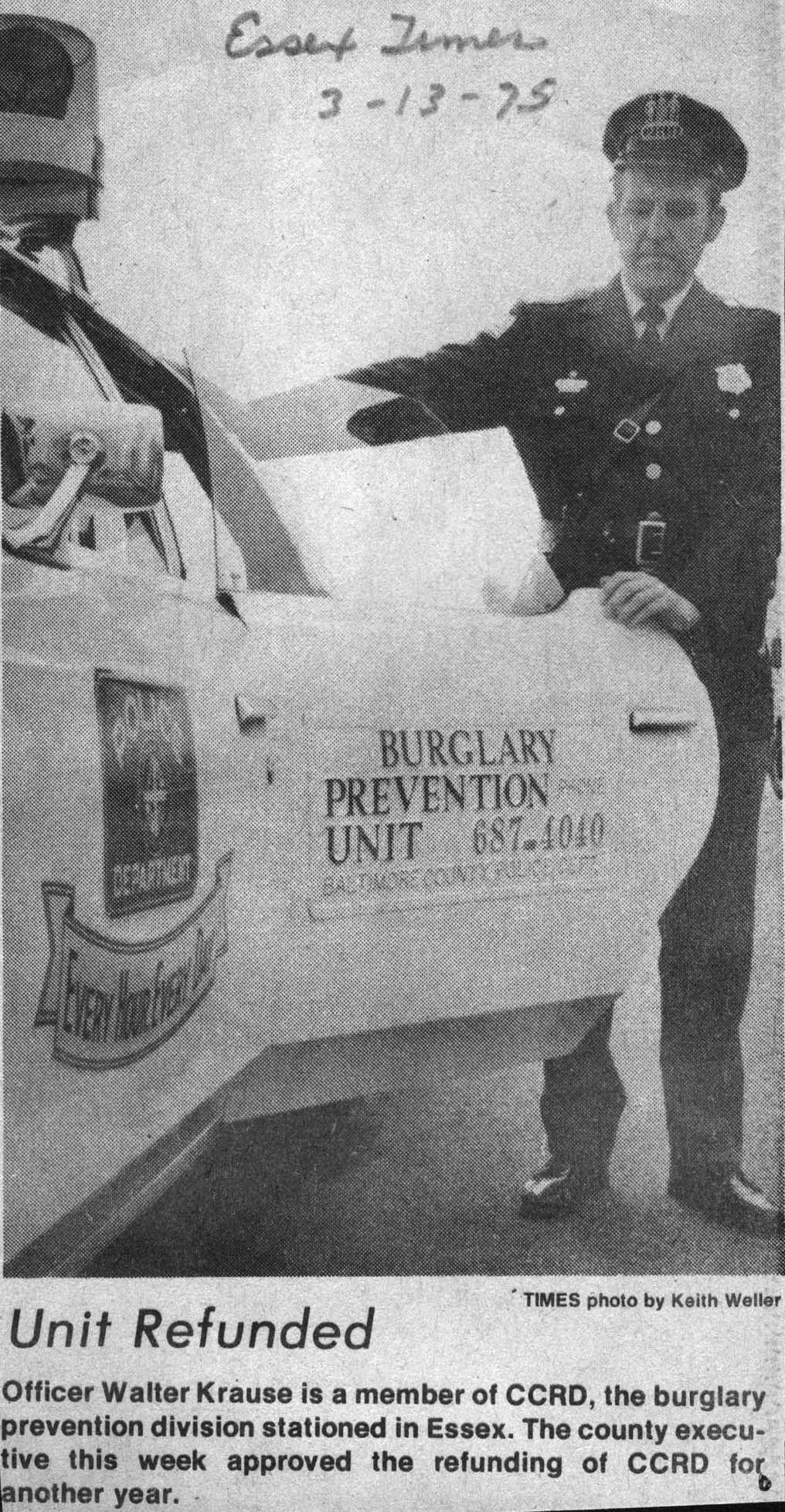
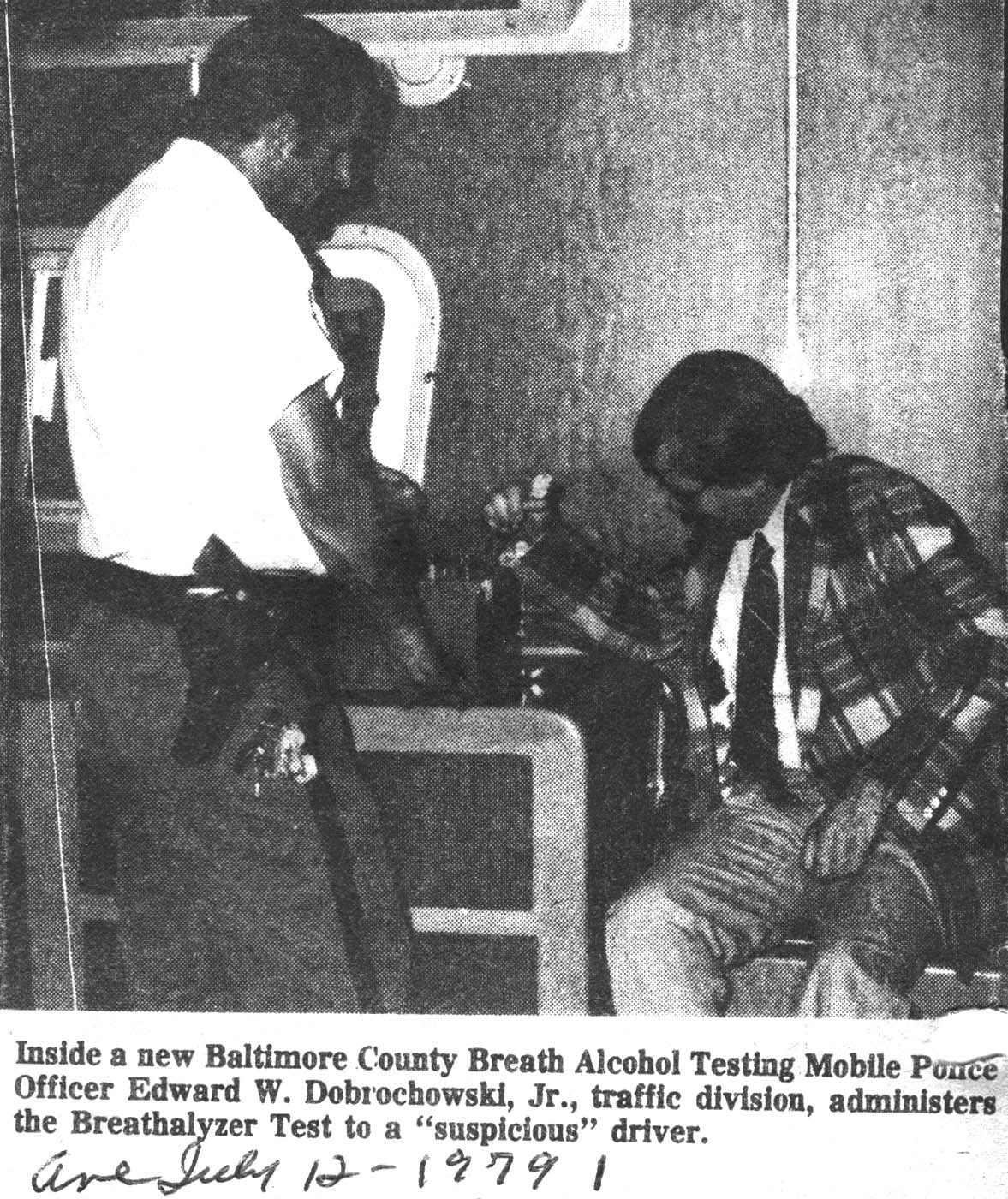
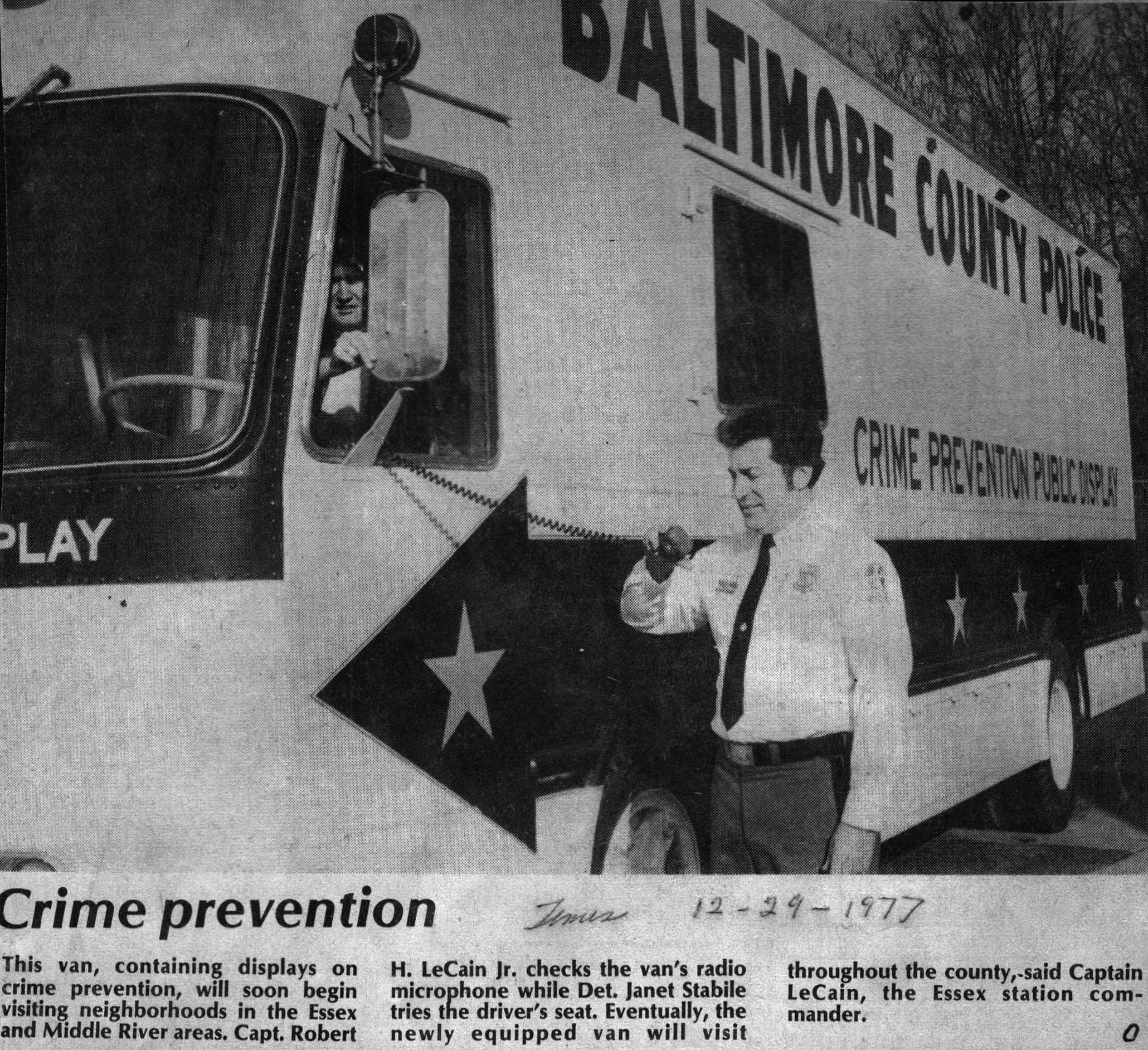
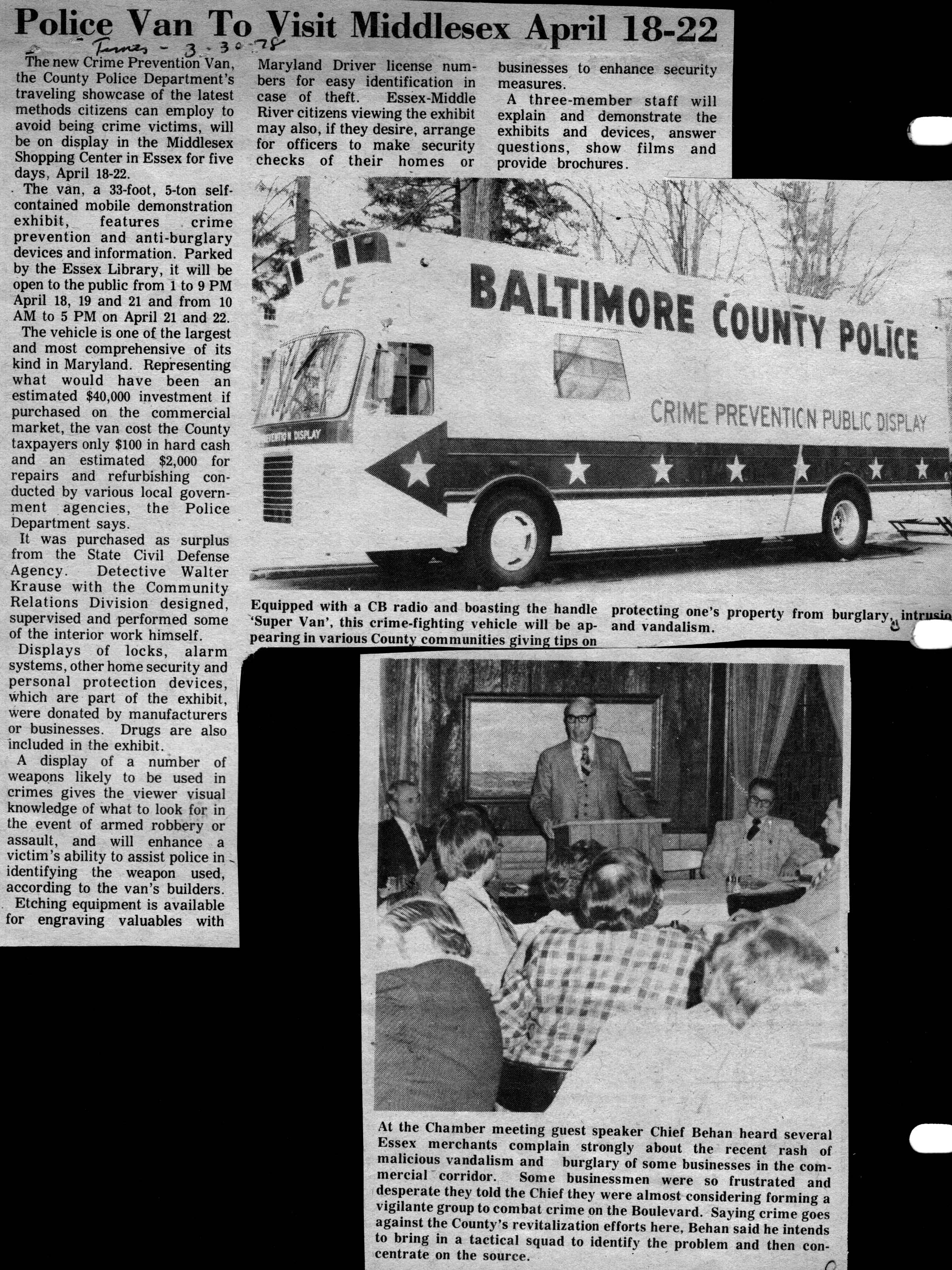

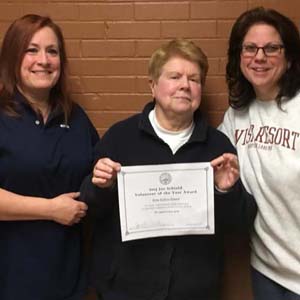
Congratulations to Rita, our 2017 Joe Schield Volunteer of the Year Award winner! Thank you, Rita, for all of your service! We ❤️ you!
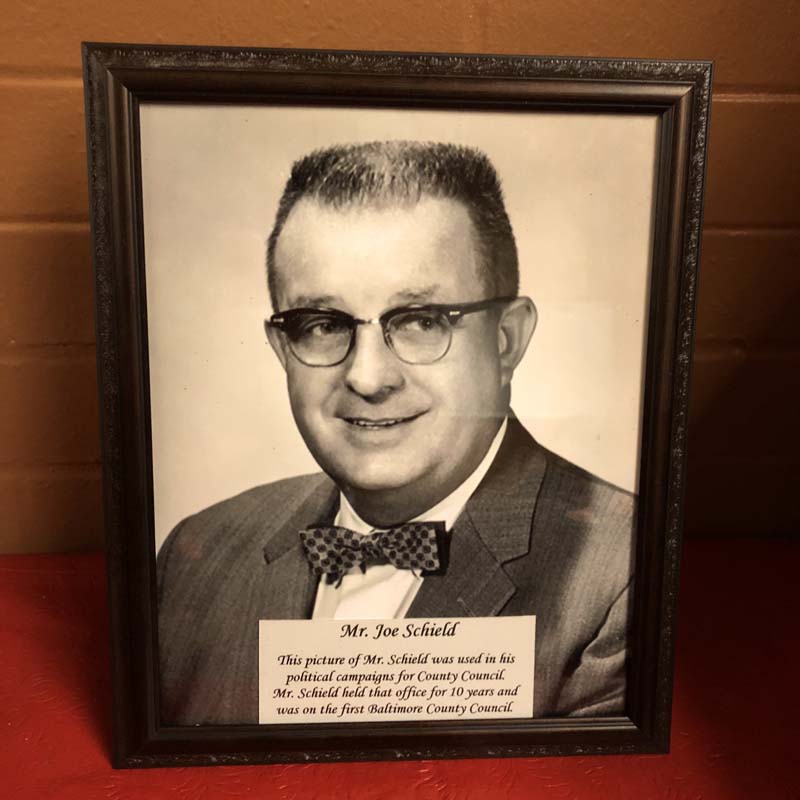
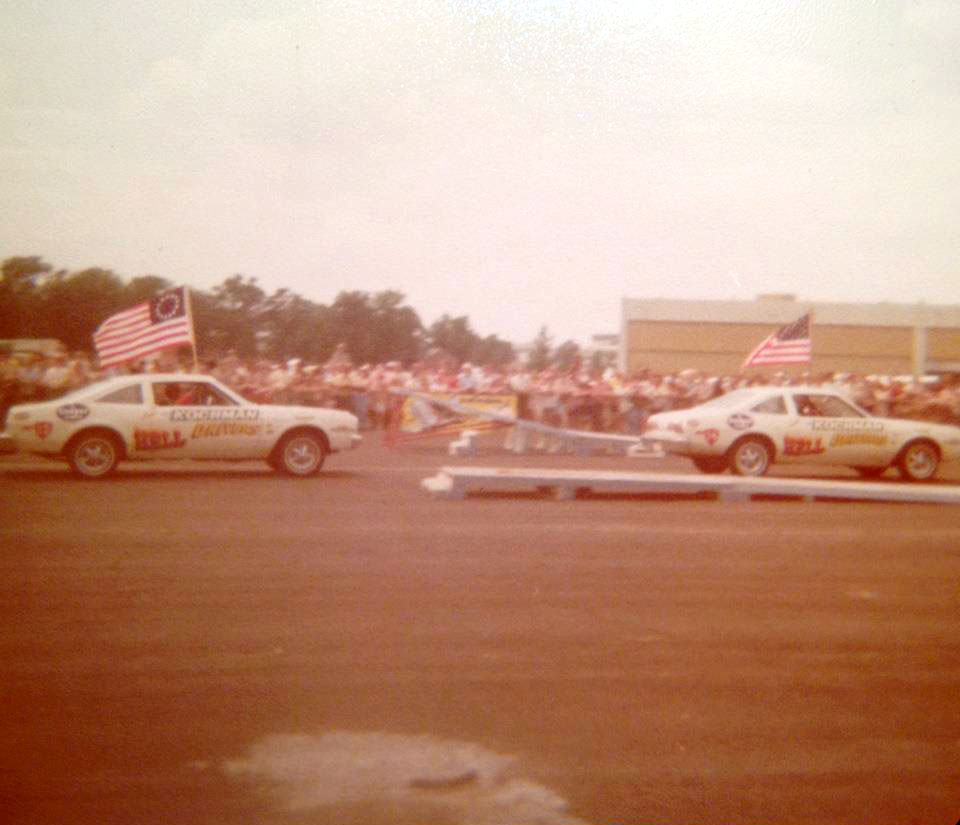
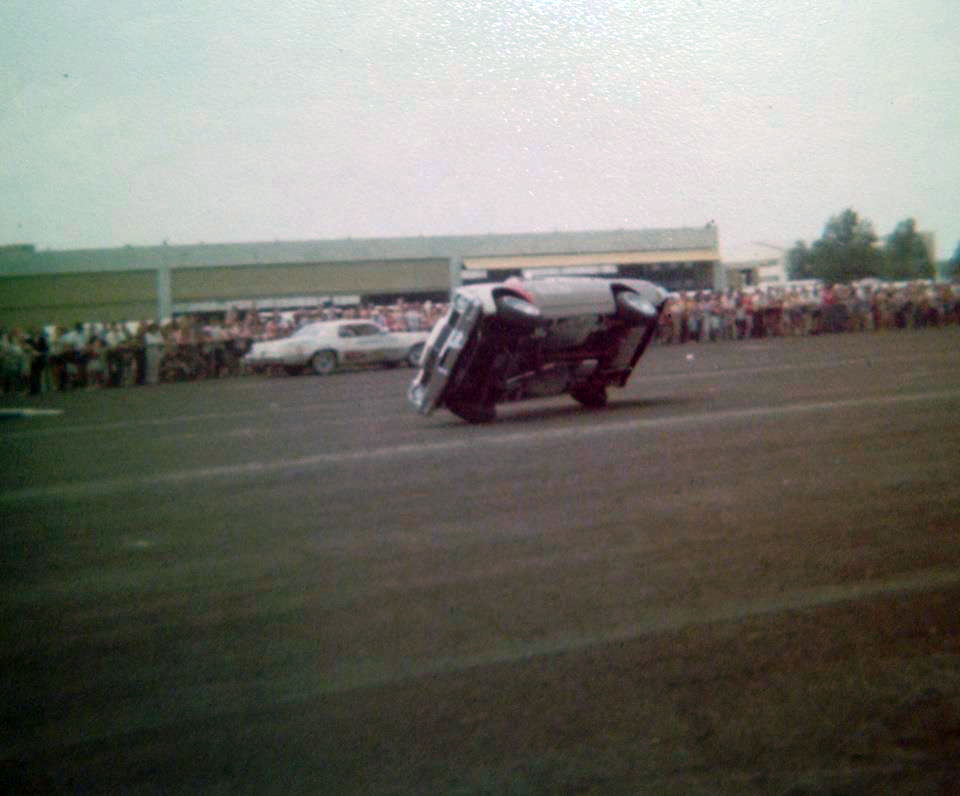
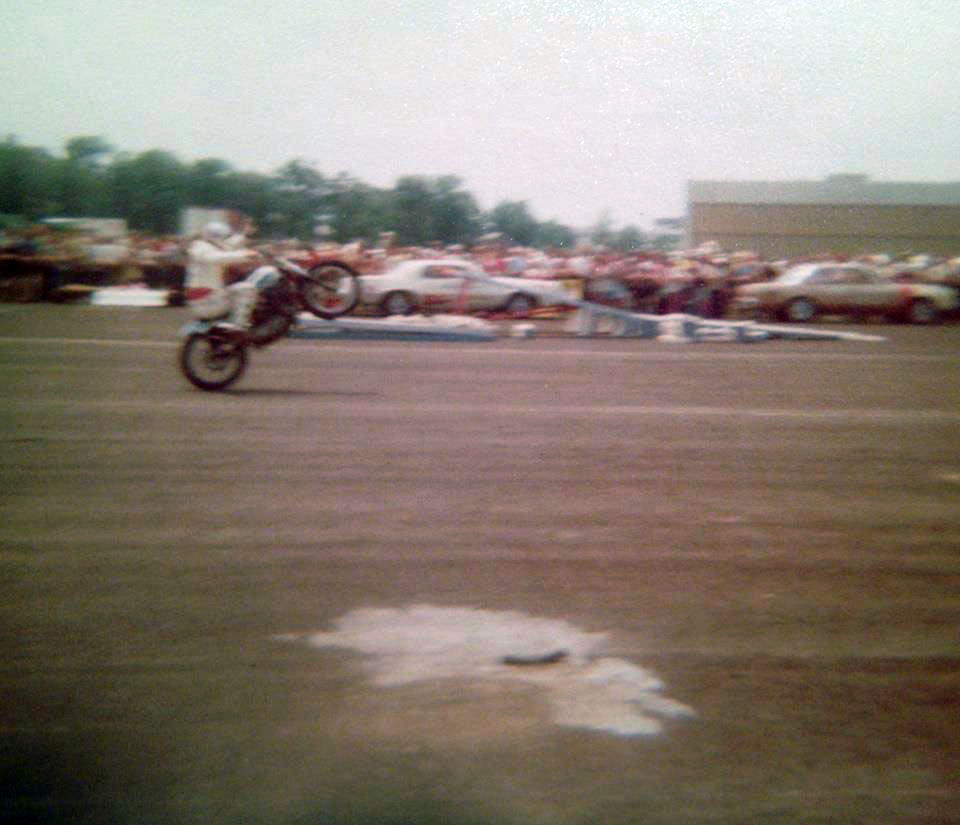
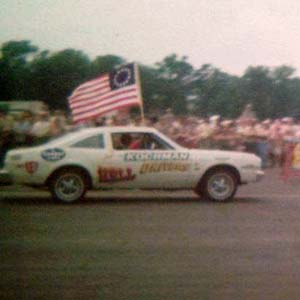
Kochman Hell Drivers at the Baltimore County Fair at Martin State Airport in the 1970’s
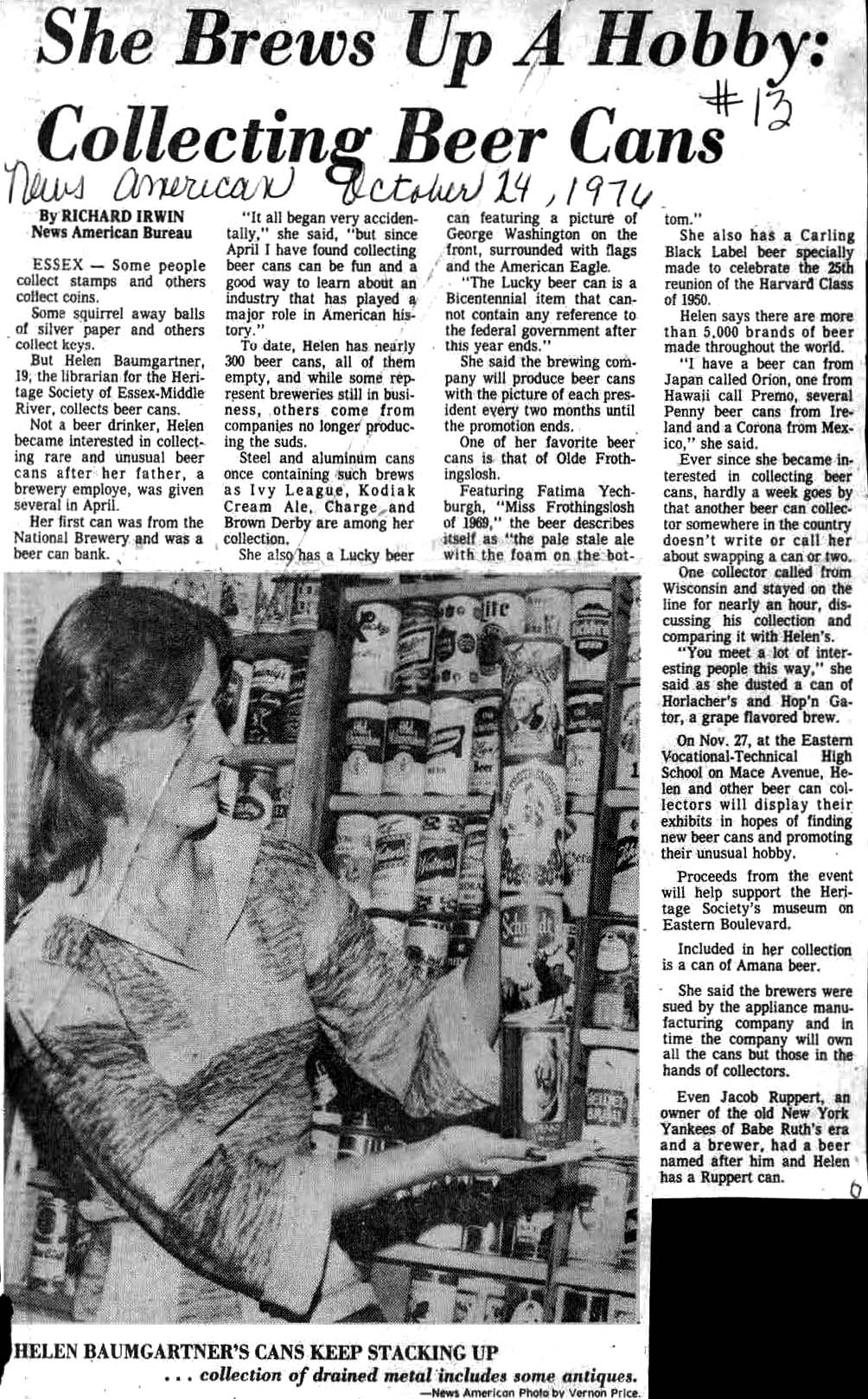
By Richard Irwin (News American, 10/24/1976)
Some people collect stamps and others collect coins.
Some squirrel away balls of silver paper and others collect keys.
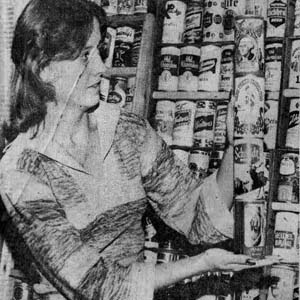
But Helen Baumgartner, 19, the librarian for the Heritage Society of Essex-Middle River, collects beer cans.
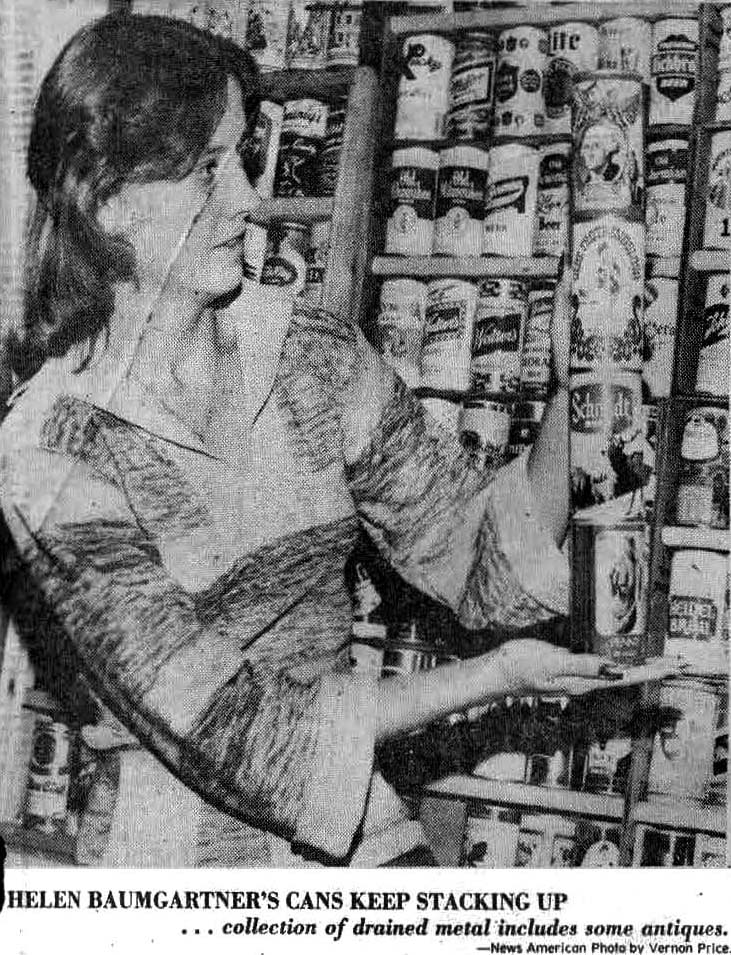
Not a beer drinker, Helen became interested in collecting rare and unusual beer cans after her father, a brewery employee, was given several in April.
Her first can was from the National Brewery and was a beer can bank.
It all began very accidentally,” she said, “but since April I have found collecting beer cans can be fun and a good way to learn about an industry that has played a major role in American history.”
To date, Helen has nearly 300 beer cans, all of them empty, and while some represent breweries still in business, others come from companies no longer producing the suds.
Steel and aluminum cans once containing such brews as Ivy League, Kodiak Cream Ale, Charge and Brown Derby are among her collection.
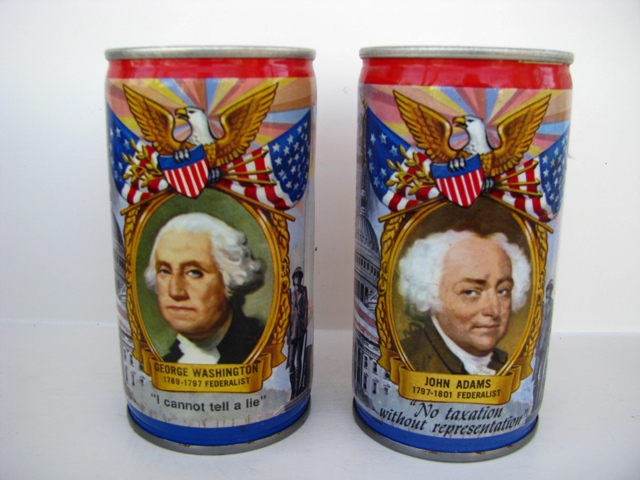
She also has a Lucky beer can featuring a picture of George Washington on the front, surrounded with flags and the American Eagle.
“The Lucky beer can is a Bicentennial item that cannot contain any reference to the federal government after this year ends.”
She said the brewing company will produce beer cans with the picture of each president every two months until the promotion ends.
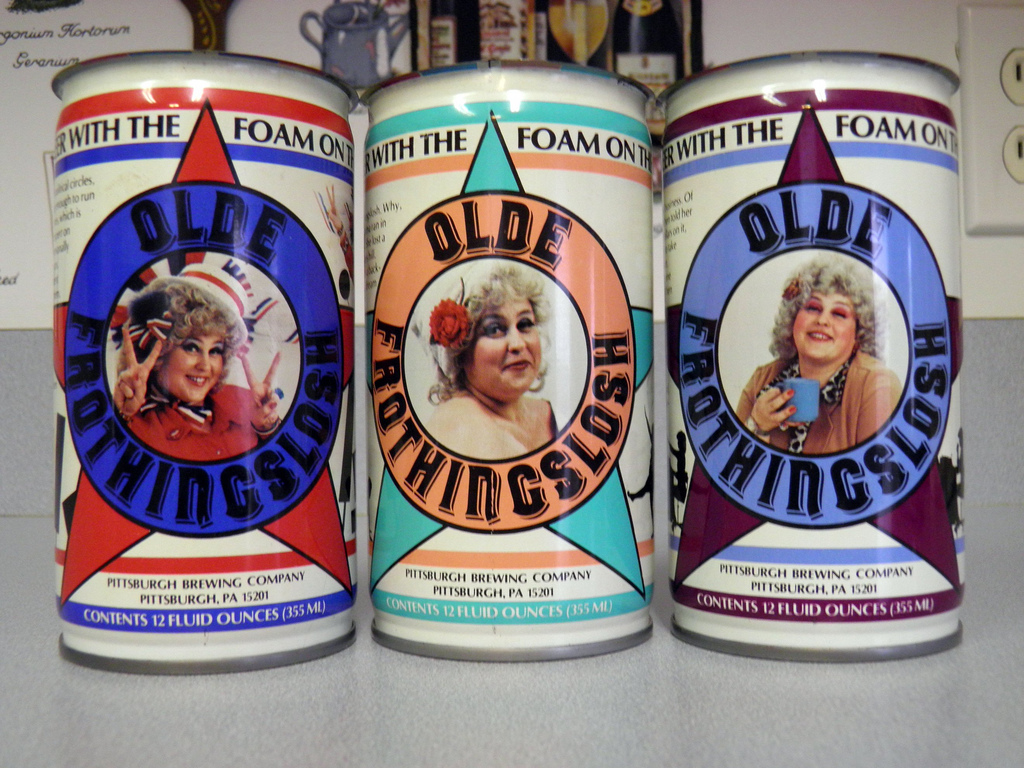
One of her favorite beer cans is that of Olde Frothingslosh, Featuring Fatima Yechburgh, “Miss Frothingslosh of 1969,” the beer describes itself as “the pale stale ale with the foam on the bottom.”
She also has a Carling Black Label beer specially made to celebrate the 25th reunion of the Harvard Class of 1950.
Helen says there are more than 5,000 brands of beer made throughout the world.
“I have a beer can from Japan called Orion, one from Hawaii call Premo, several Penny beer cans from Ireland and a Corona from Mexico,” she said.
Ever since she became interested in collecting beer cans, hardly a week goes by that another beer can collector somewhere in the country doesn’t write or call her about swapping a can or two.
One collector called from Wisconsin and stayed on the line for nearly an hour, discussing his collection and comparing it with Helen’s.
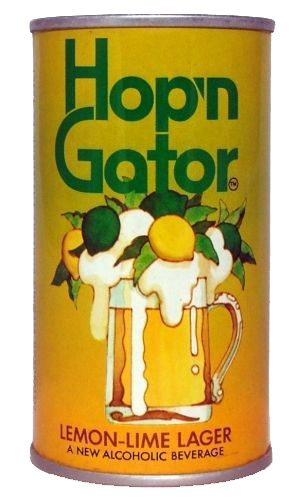
“You meet a lot of interesting people this way,” she said as she dusted a can of Horlacher’s and Hop’n Gator, a grape flavored brew. (See footnote)
On Nov. 27, at the Eastern Vocational-Technical High School on Mace Avenue, Helen and other beer can collectors will display their exhibits in hopes of finding new beer cans and promoting their unusual hobby.
Proceeds from the event will help support the Heritage Society’s museum on Eastern Boulevard.
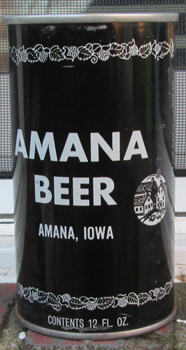
Included in her collection is a can of Amana beer.
She said the brewers were sued by the appliance manufacturing company and in time the company will own all the cans but those in the hands of collectors.
Even Jacob Ruppert, an owner of the old New York Yankees of Babe Ruth’s era and a brewer, had a beer named after him and Helen has a Ruppert can.
(Museum note: Hop’n Gator was actually grapefruit-flavored, a combination of beer and Gatorade created by Gatorade’s creator.)
By Devin Crum (East County Times, 12/2017)
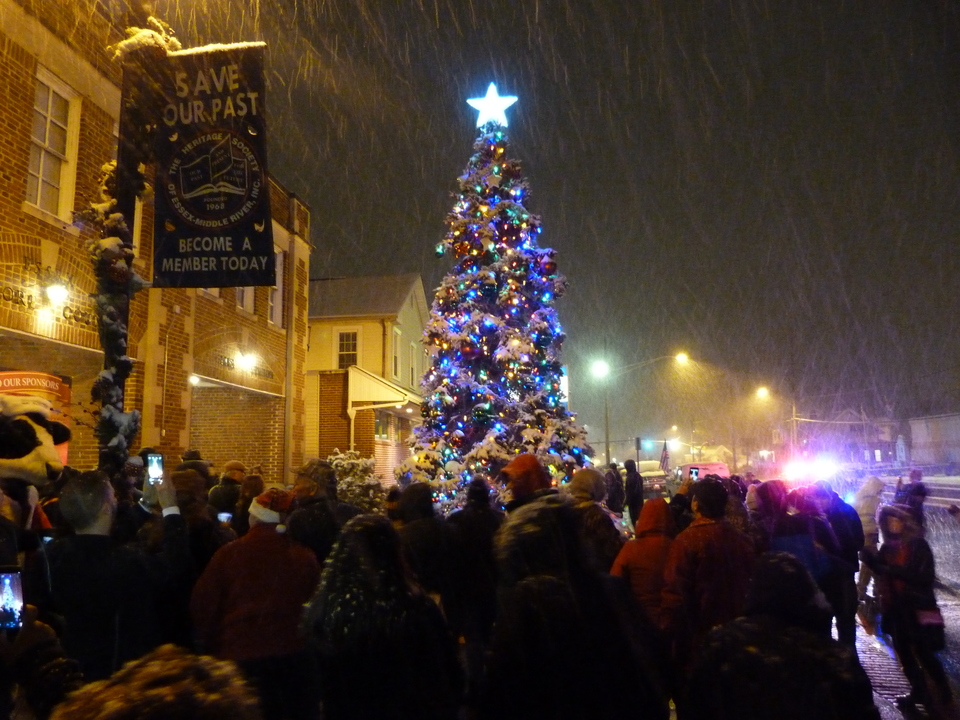
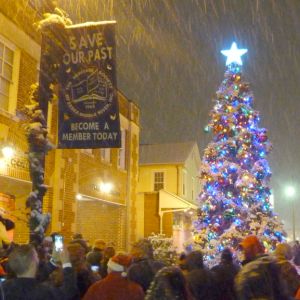
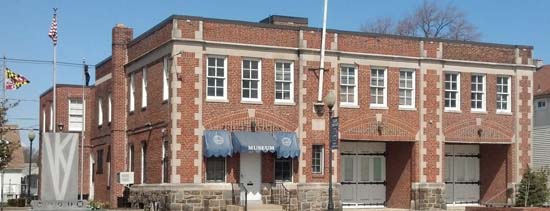
Community leaders, elected officials and residents of Essex and Middle River gathered Saturday, Dec. 9, for what has become a grand event in recent years – the lighting of the community tree at the Heritage Society of Essex and Middle River in Essex.
Feelings of warmth and community were evident as the tree was lit even though the weather was snowy and cold. And many in attendance agreed that the tree looked even more beautiful with its dusting of snow.
Sam Weaver, owner of Weaver’s Marine Service, again donated this year’s tree, a 27-foot spruce which is three feet taller than last year’s.
Weaver, Cliff O’Connell of Cliff’s Hi-Tech and Cliff’s Direct Effect, and workers from Baltimore County combined their efforts to deliver and install the tree at the Heritage Society museum at 516 Eastern Blvd. And O’Connell, Back River Restoration Committee volunteers and others all helped to decorate the giant tree.
Joining the crowd on behalf of Governor Larry Hogan was Maryland’s deputy secretary of state and Essex resident, Luis Borunda, who remarked that the Heritage Society’s tree lighting is an excellent community tradition that helps – along with the snow – to put all into the holiday spirit.
Also in attendance were State Delegates Robin Grammer, Bob Long and Ric Metzgar and County Councilman Todd Crandell – all of whom represent Essex – as well as Del. Pat McDonough, who is running for Baltimore County Executive.
Crandell noted his awe at the size and beauty of the tree, along with the size and energy of the crowd gathered. He said although he is from Dundalk, “Essex is doing it better” when it comes to community Christmas trees.
Guests were also treated to cookies, tours and visits with Santa.
The Heritage Society of Essex and Middle River would like to thank Mr. Roger Dahlin for sharing his family’s history of the Essex Candle Company with us.
 Baumgartner Collection Book #291:
Download PDF
View on archive.org
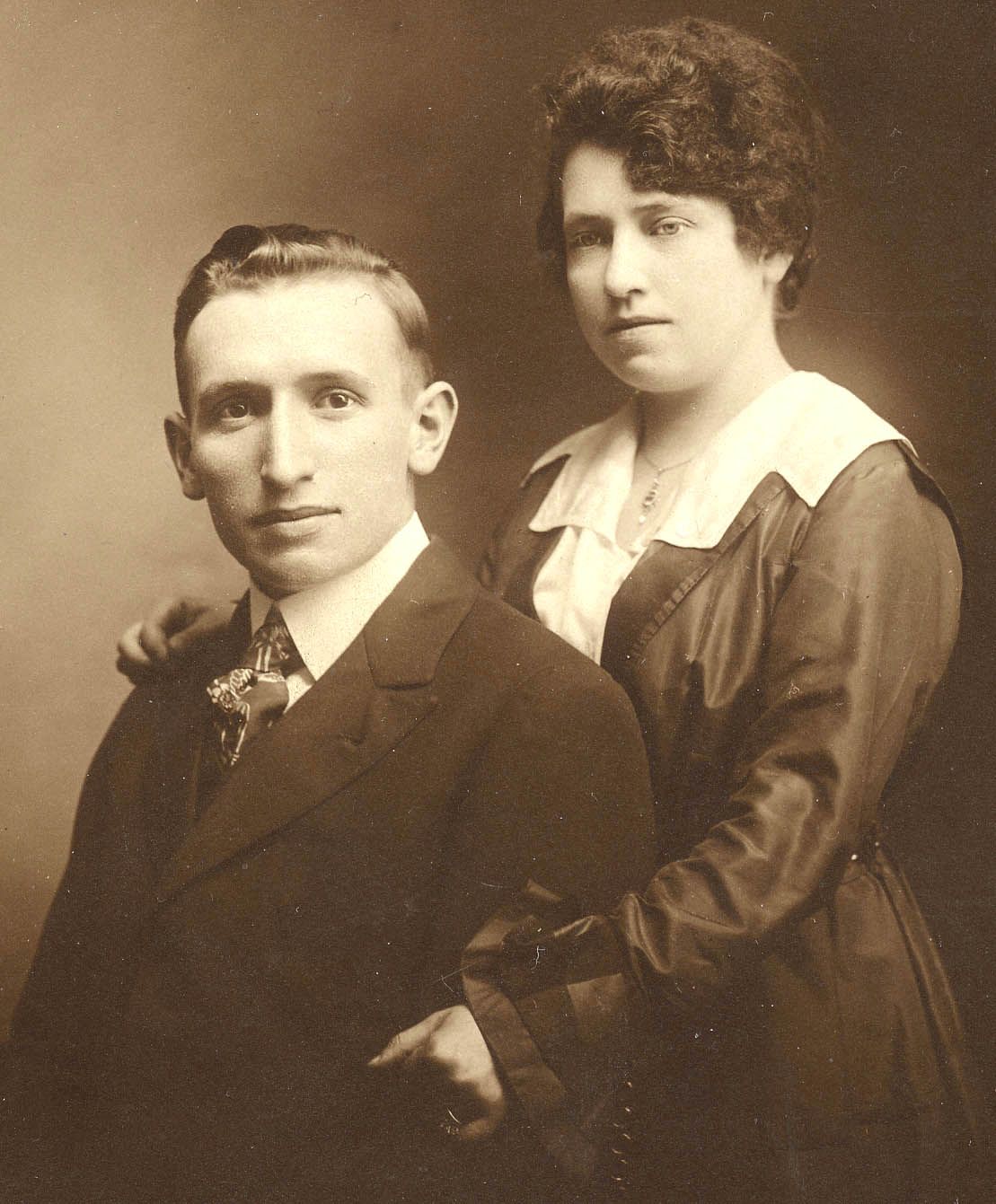
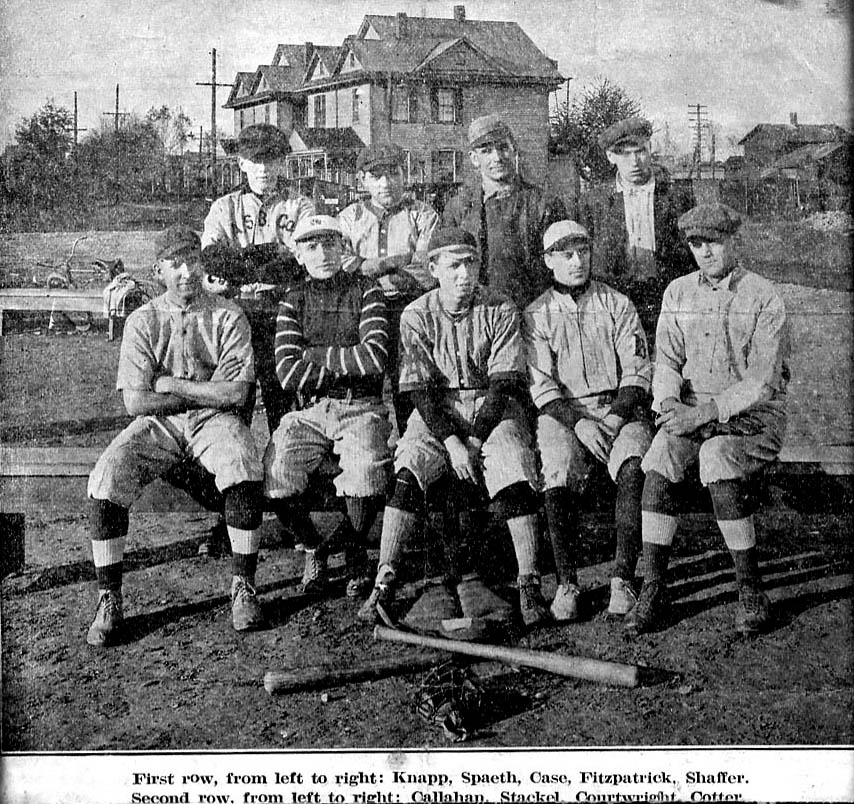
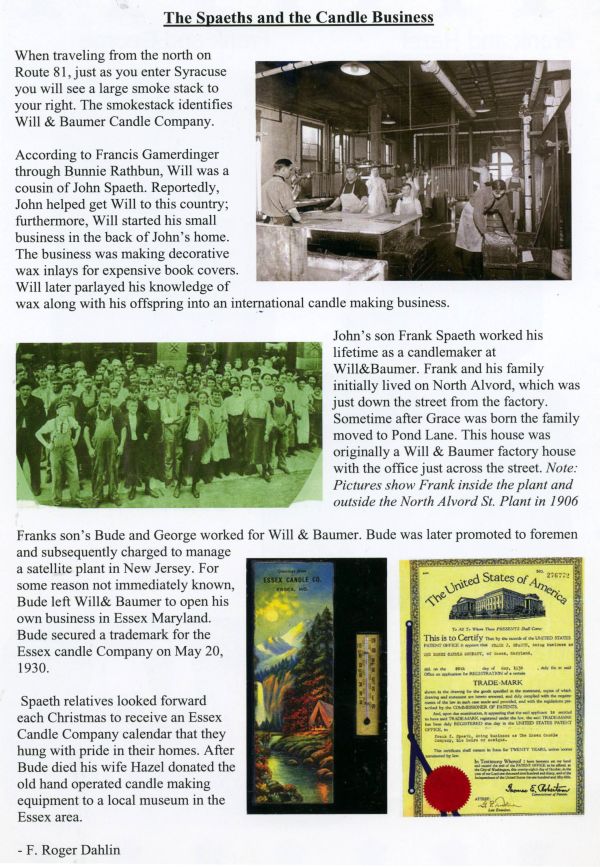
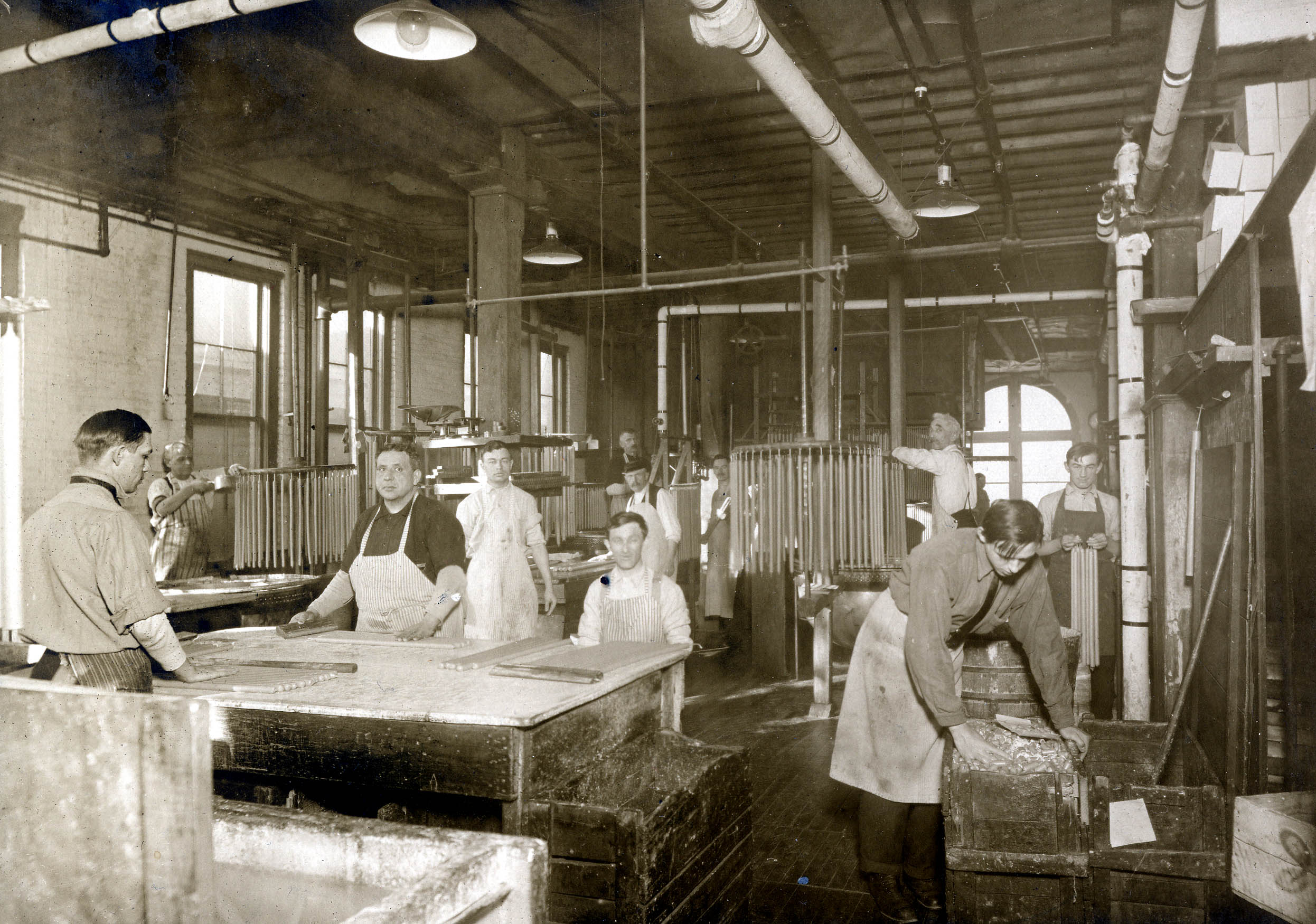
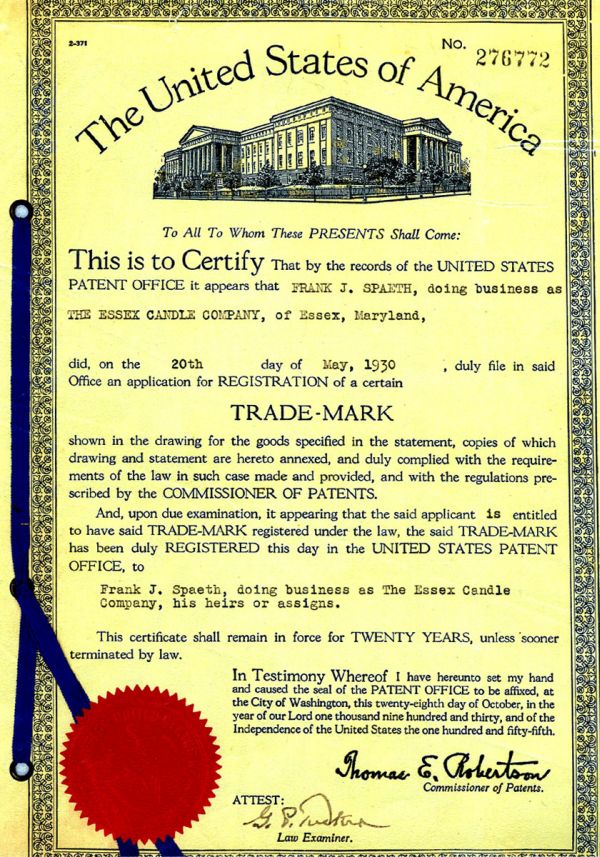
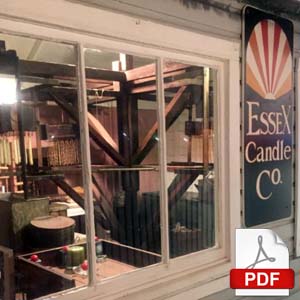
For nearly 40 years, Frank and Hazel Spaeth made candles in Essex. Located on Helena Avenue, the Essex Candle Company was in business from 1933 to 1969. Manufacturing handmade dinner candles and handmade drip-less candles which are called tapers, it was a family-owned wholesale business which sold candles in Maryland, Virginia and Washington, D.C.
Originally from New York, Mr. Spaeth worked for the Will and Balmer Candle Company in Syracuse, New York. It was here he met his future wife Hazel. Later, he went to Newark, New Jersey to start a candle factory. In 1926, Frank came to Baltimore to work for the A. Cross Candle Co. Hazel came to Baltimore that same year and the two of them were married. Mrs. Spaeth liked Baltimore very much. “I think the people here are real friendly; I don’t think either of us wanted to go back (to New York),” she commented.
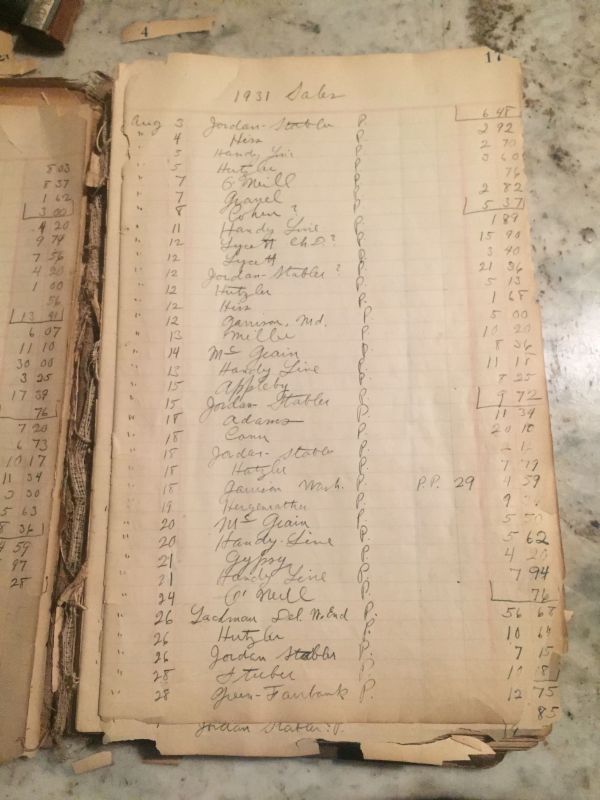
Although very few candles were sold in Essex, the Essex Candle Company was a booming business. According to Mrs. Spaeth, “We could not make them fast enough.” This was true considering some of their clientele. The Essex Candle Company supplied candles to Hutzler’s Department Store; O’Neill’s Department Store; the May Company; and the Emerson Hotel in Baltimore and the Adams Company; Garrison’s; and the Mayflower Hotel in Washington, D.C.
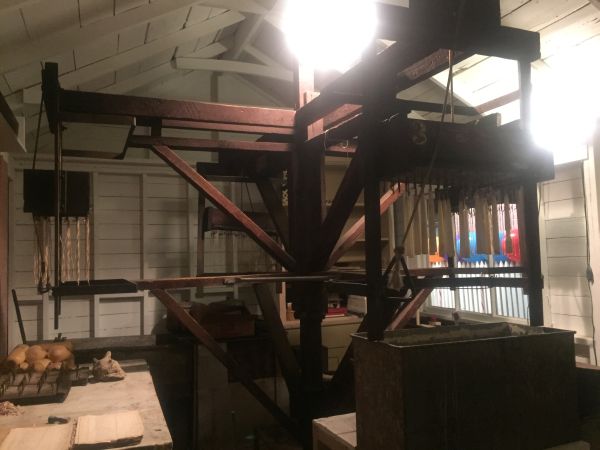
The only church that bought candles from the Essex Candle Company was St. John’s Lutheran Church. Mrs. Speath said that there were a number of Catholic churches in Baltimore but none of them bought candles from their shop because at that time Catholic churches could only use candles that were made from 100 per cent bees wax. This ruling was later changed.
Fred Grupp started working for the Spaeths when he was 16 years old. He was a very hard worker, employed at the Essex Candle Company after school and on weekends and Mr. and Mrs. Spaeth treated Fred like a son. Later, Fred got married and started working at the Bethlehem Steel Corporation in Sparrows Point. However, the Spaeths never lost their good worker. Fred continued working at the Essex Candle Company on weekends, around the holidays, and whenever he was needed. Many times Fred made candles all night and went to work at Bethlehem Steel the next morning. For almost 40 years, he worked for the Spaeths. Mr. Grupp gave a detailed explanation of the whole process:
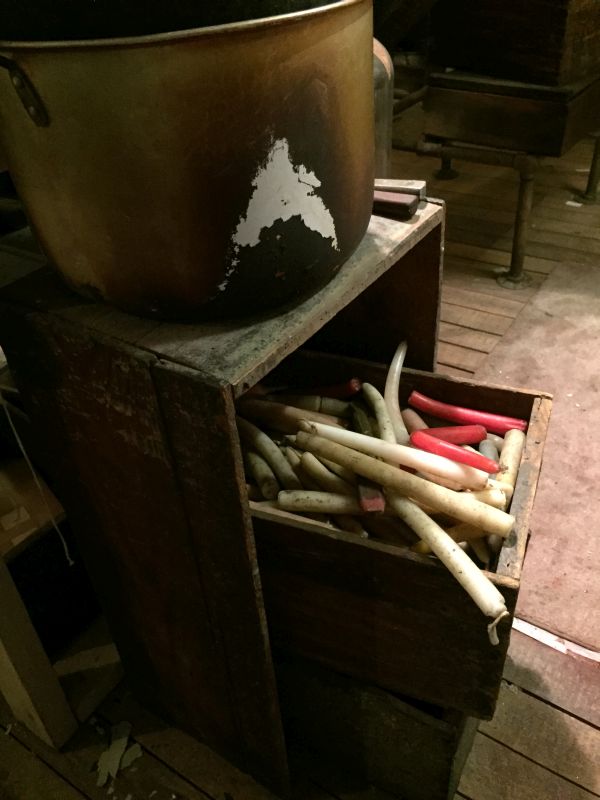
“Tapers were made from hard and soft paraffin wax. Steric was added as a hardening agent. These were placed into an aluminum container sitting over two gas burners – to melt the paraffin. The melted paraffin was dipped out with a pot and put into a tank stationed under the machine.”
He continued, “Wicks were made from special woven cotton fibers and were of different thickness. Wicks were cut to different lengths. They were cut to make tapers from 6 1/2 inches to 24 inches. After cutting the wicks, they were hand-knotted on one end. The wicks were then hung on boards that were used on the machine.”
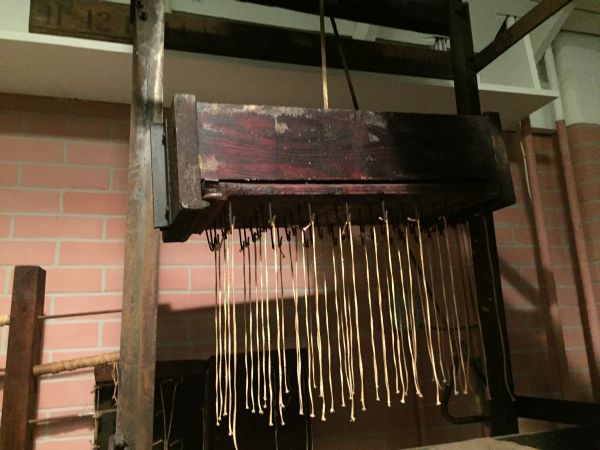
Fred added, ‘The machine had four slides that revolved over the large tank of paraffin. The slides were stopped over the center of the tank and hand lowered to a certain point to dip the wicks into the paraffin. After dipping the tapers to a certain thickness, the boards from the machine were transferred to holders on the well so they could cool (off). When the thickness of the tapers were reached, about 15/16 of an inch, they were taken off the boards, one dozen at a time, dipped into water to help cool them and put on a marble table and with measured sticks cut to proper length. They were now ready to color. The knowledge of using different pigments to make a certain color is an art in itself,” says Mr. Grupp.
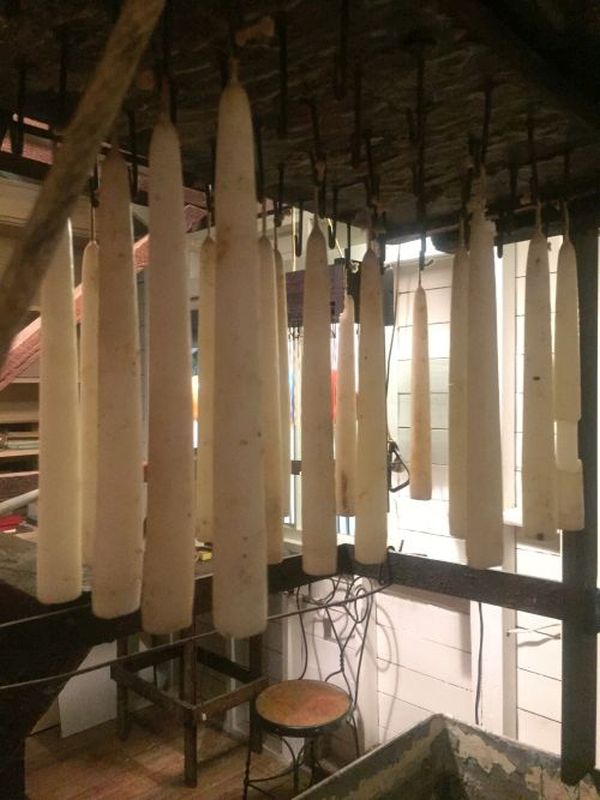
“Each taper was hand-dipped into hot colored paraffin, then dropped into water to harden the color and this also put a shine on the tapers. This taper was then taken out of the water and hand dried with rags made from paraffin bags. The knot was cut off and was ready to be packed. They were rolled individually into cellophane or tissue paper, both ends twisted and put into boxes that usually held one dozen tapers. These boxes were hand-stamped with size, color, and company name then packaged for shipment,” concludes Mr. Grupp.
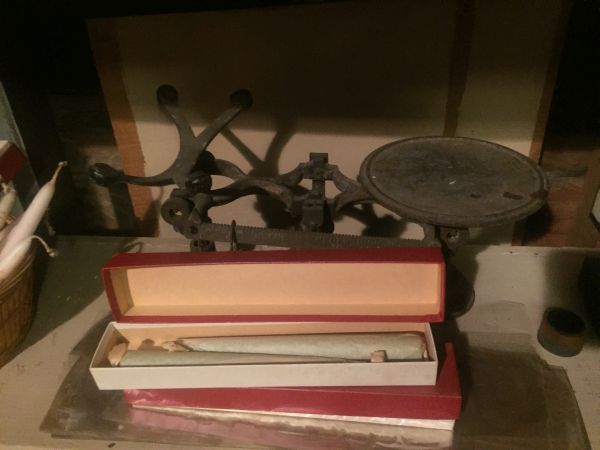
The average taper sold for 5 cents apiece. Mrs. Spaeth noted that today it would be too costly to produce tapers the way they made them.
In 1969, Mr. Speath died and the Essex Candle Company closed its doors. The Speaths were career partners as well as husband and wife, having built a successful business together. When her husband-partner died, Mrs. Speath closed down the candle operation because “it would not be the same without him.” To this day, she remains a widow living in the same house that they bought 40 years ago.
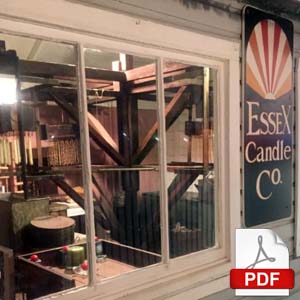
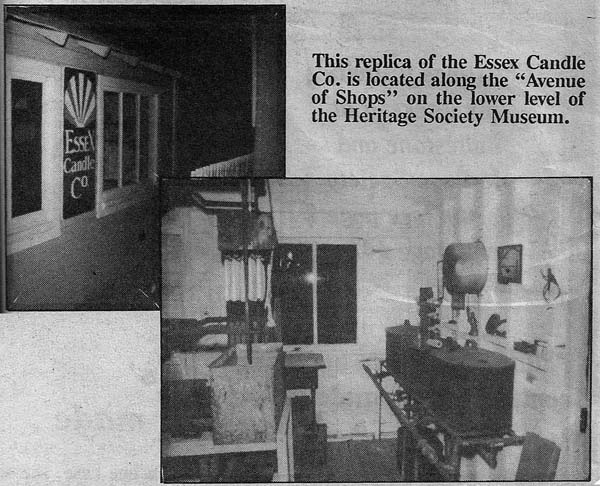
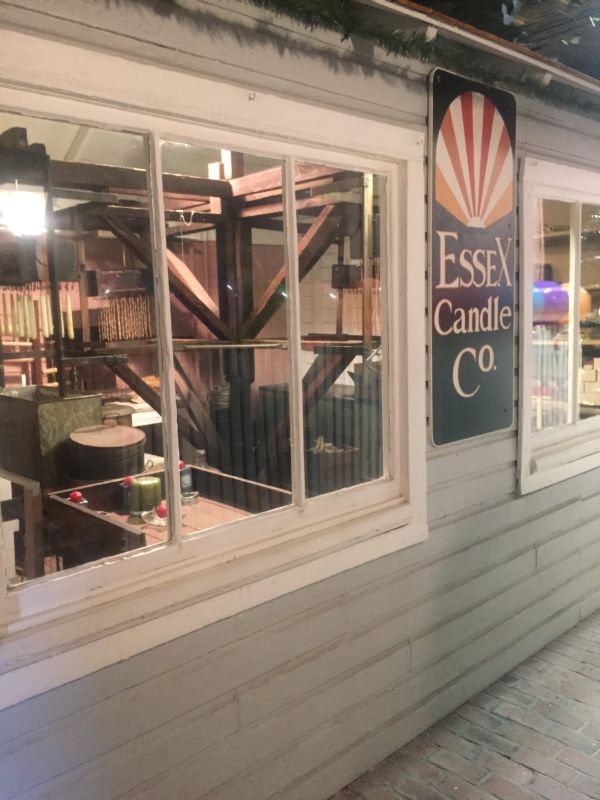
In 1975, Mrs. Spaeth donated the entire candle making operation to the Heritage Society of Essex and Middle River. A replica of the Essex Candle Company is on display at the Heritage Society Museum.
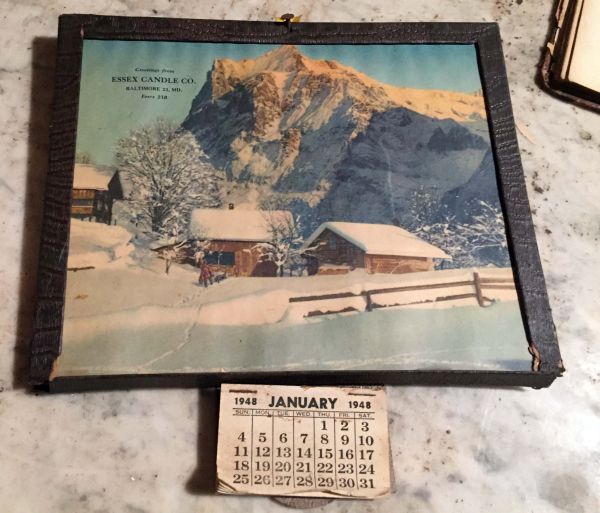
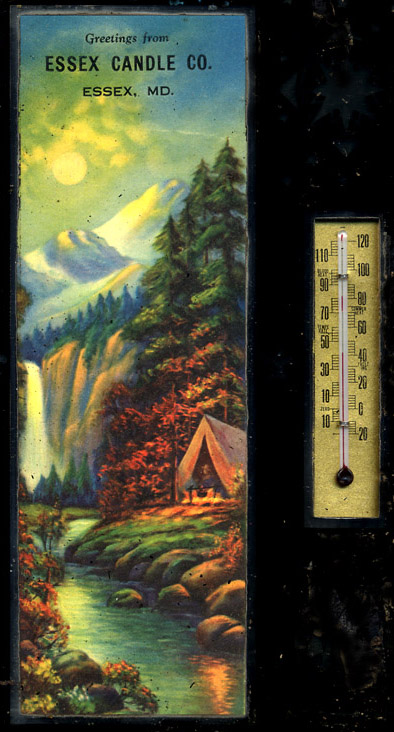
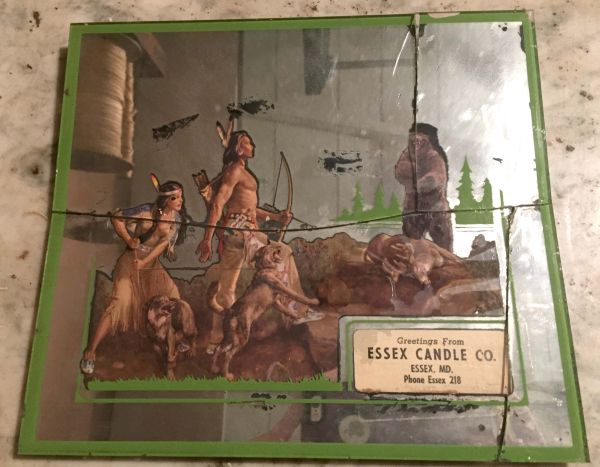
During the holidays bude would send Essex Candle Company calendars to customers and family members.